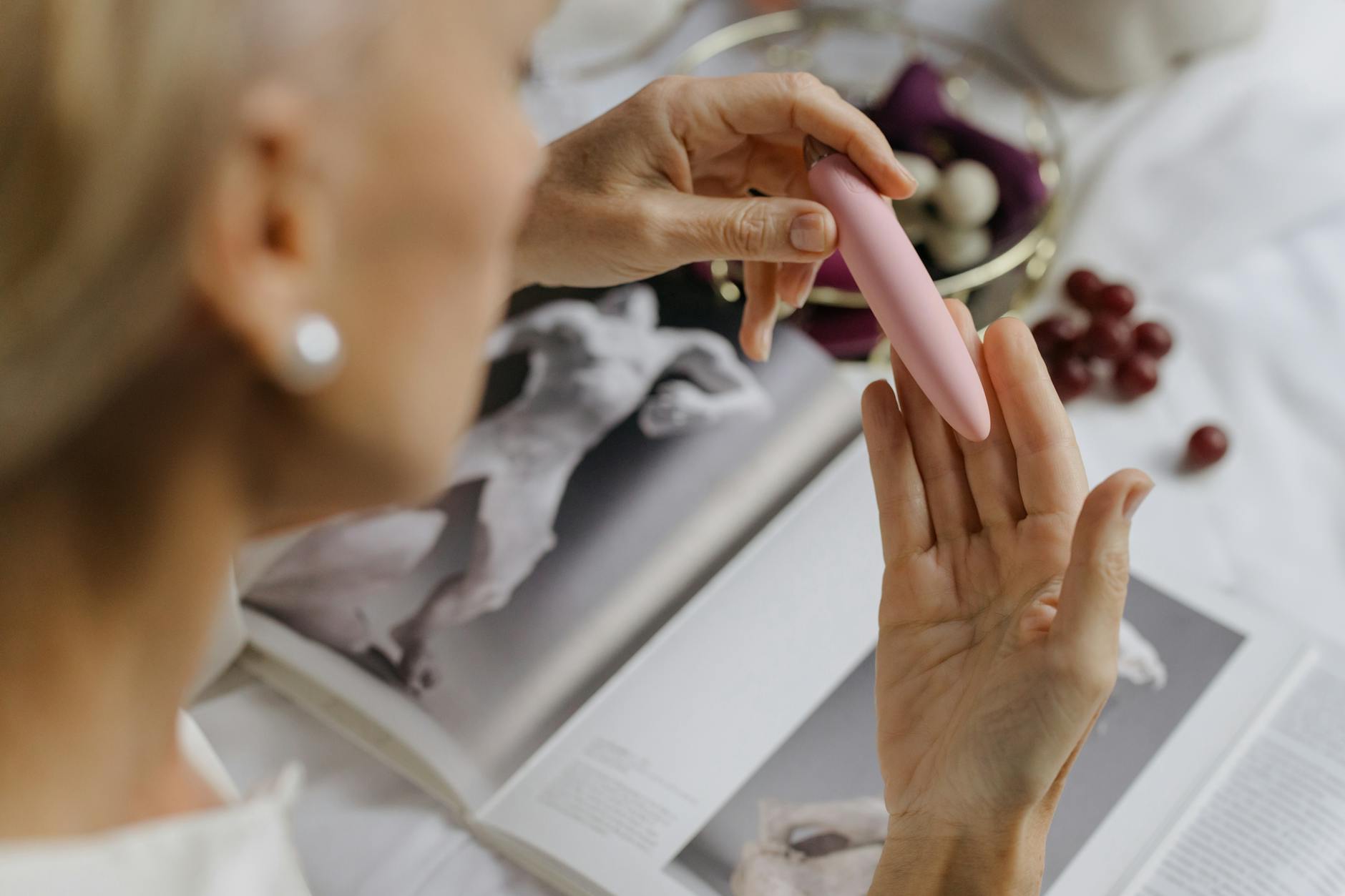
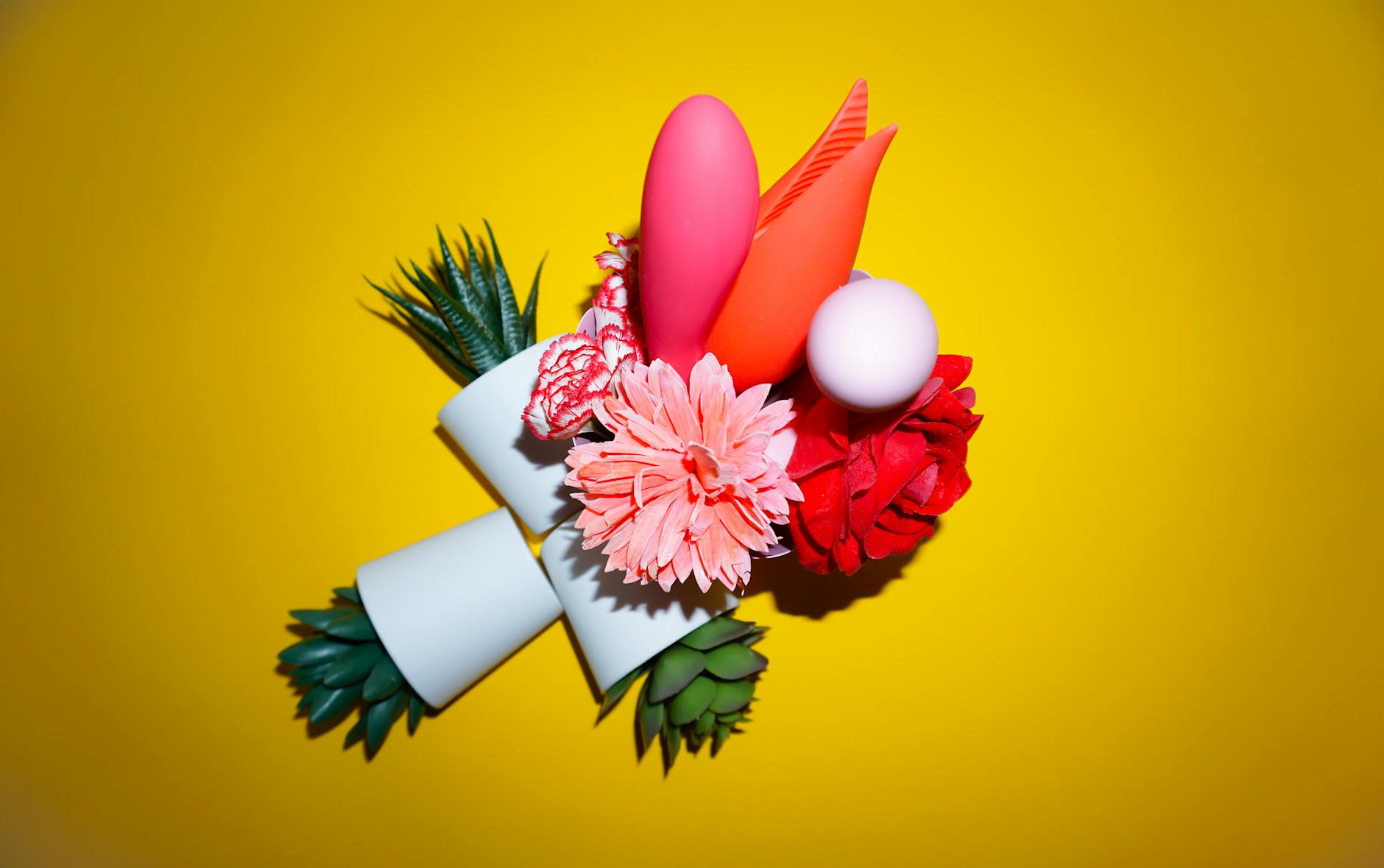
Hormonal shifts change how your body wakes up to pleasure. Not because you're broken, not because you're aging wrong, but because estrogen and progesterone are actively involved in blood flow, nerve sensitivity, and how quickly arousal builds. When those hormones drop or fluctuate, the physical mechanics change. Full stop. The good news: understanding the mechanism means you can work with your body instead of against it.
This is where a lemon vibrator, specifically one that uses air-suction technology like the Lem, becomes genuinely useful. It doesn't rely on traditional vibration to create sensation. It works differently on changed tissue, which matters.
Here's the chain reaction: less estrogen means less blood flow to the vulva during arousal. Blood flow is what creates the swelling, the engorgement, the physical readiness. Without it, sensation stays muted. The clitoris doesn't plump up the way it used to. The vaginal opening doesn't lubricate as automatically. Your brain is still interested. Your body is just slower to follow.
Progesterone matters too. Higher progesterone can flatten desire and make arousal feel distant, even when you want to feel close. Many people cycling through hormonal birth control, perimenopause, or postpartum hormone shifts experience exactly this: the head says yes, the body says wait.
Then there's sensitivity loss. Thinner tissue from lower estrogen isn't just drier. It's genuinely less responsive to standard vibration because the nerve endings have fewer blood vessels feeding them. A powerful wand vibrator can actually feel too intense or even uncomfortable on tissue that's changed.
This is where air-suction lemon vibrators solve a real problem.
A lemon clitoral vibrator that uses suction technology (like the Lem) creates sensation through gentle pressure and release rather than buzzing directly against tissue. The mechanism is gentler on thin or less-sensitive tissue, but here's the counterintuitive part: it's often more effective at awakening dormant sensation.
When blood flow is slow, suction actually encourages it. The gentle pulling motion draws blood into the clitoral tissue, which is the opposite of what happens naturally when hormones are low. Over 5 to 15 minutes, many people feel arousal building in a way traditional vibration won't create.
The sensation profile is also different. Instead of high-frequency buzzing that can feel numbing on sensitive tissue, you're getting rhythmic pressure that feels closer to oral stimulation. For people with hormonal arousal lag, that familiar sensation often triggers the brain-body connection faster than anything else.
Four things I recommend when hormonal changes have slowed your arousal:
Start with external warmth first. A warm bath, a heating pad on your lower belly, or even just sitting under a blanket for 10 minutes increases pelvic blood flow before you even start. This is not optional. When hormones are low, your body needs permission to redirect blood downward.
Use the lemon vibrator on the lowest setting for the first 5 minutes. Pattern 1 on the Lem, or equivalent on another lemon sucker device. This is not about chasing orgasm. This is about waking up sensation. You're literally encouraging blood to flow to the tissue. It feels subtle. That's correct.
Keep going even if nothing happens immediately. Arousal with hormonal changes takes longer. Budget 15 to 25 minutes, not 5. I know that sounds like a lot. It is. It's also how long your body genuinely needs to respond when hormonal support is lower. Rushing through it creates frustration and kills the whole thing.
Use lubrication, even if you don't think you need it. Water-based lube on the outside tissue, not inside. This isn't about dryness (though that's part of it). It's about removing friction that can feel uncomfortable on changed tissue. Friction stops arousal dead.
After 5 to 10 minutes of pattern 1, if sensation is building, move to pattern 2 or 3. Many people find they need the building blocks of arousal first, then intensity follows naturally.
If you're with a partner, this is worth a separate conversation. Not "my body is broken" but rather "my body needs a different kind of foreplay now." That conversation should happen outside the bedroom, when nobody's vulnerable.
Many partners interpret arousal lag as disinterest. It's not. It's a mechanical shift. But your partner needs to understand that the old rhythm won't work anymore. A 10-minute warm-up might have been optional before. Now it's essential. That's not sad. It's information.
Consider using the lemon vibrator together. Sensation-building with a partner present actually works better for many people with hormonal arousal lag because the vulnerability and presence trigger the brain. You're not doing this alone in a corner. You're inviting them into the process. That changes everything.
If air-suction alone isn't creating arousal after a few sessions, you're not broken. You might need hormonal support.
Topical estrogen (creams or suppositories) won't fix the system-wide arousal lag, but they will improve tissue responsiveness, which makes the lemon vibrator work better. A menopause-trained GP or gynaecologist can discuss options in 15 minutes.
Oral hormone therapy is another route, but that's a bigger conversation with more systemic effects. For many people, topical estrogen alone shifts what's possible with a lemon sucker.
Here's what nobody tells you: arousal lag is partially physiological and partially psychological. When your body used to respond automatically and now it doesn't, your brain starts to doubt. Doubt kills arousal faster than anything else.
Using the lemon vibrator with intention and patience (not rushing, not expecting the old response) actually rewires some of that doubt. You're proving to yourself that sensation still exists. It just looks different now.
Many of my clients report that once they stopped comparing their current arousal to their past arousal, things shifted. You're not chasing what was. You're building what is. A lemon clitoral vibrator is genuinely good at creating arousal in this new context because it doesn't demand the old blood-flow patterns.
Build in 10 minutes of wind-down after, too. Hormone shifts often mean arousal builds slowly but stays high afterward. Giving yourself time to come back down instead of jumping straight into activity prevents that frustrated flatness that sometimes follows.
If arousal lag came suddenly alongside other symptoms (mood changes, hot flashes, sleep disruption), you might be in perimenopause or a significant hormonal transition. A blood test for estrogen and progesterone won't fix anything, but it will tell you what you're working with.
If you're on hormonal birth control and arousal changed when you started it, that's worth discussing with your prescriber. Some formulations suppress arousal more than others. Switching might change everything.
Most people notice something within 8 to 15 minutes if tissue sensitivity is intact. If tissue is very thin or sensation is heavily numbed, it might take 20 to 25 minutes the first few times. Your nervous system needs time to register the signal, especially if arousal has felt distant. Don't judge by the first session. The third or fourth attempt often feels dramatically different as your body remembers how to respond.
You can, but many people find it less effective. Standard vibration relies on higher-frequency buzzing, which can feel numbing or uncomfortable on thinner tissue. Air-suction technology like the Lem creates sensation through pressure and release, which works better on changed tissue and often triggers arousal more reliably. That said, everyone's body is different. Some people prefer wand vibrators even with hormonal changes. The key is choosing something that feels good, not what's "supposed" to work.
Yes. Regular use (a few times per week) actually conditions your nervous system and improves blood flow to the area. After 3 to 4 weeks of consistent use, many people notice arousal building faster and feeling more intense. Your body is literally retraining itself to respond. It works, but it requires consistency and patience.
That's a misconception worth addressing directly. The lemon vibrator isn't replacing them. It's helping your body do something your body needs help with right now because of hormonal shifts. Think of it like how someone might need glasses to see clearly. The glasses don't mean they stopped trying. They mean they're taking responsibility for their own experience. Many partners who initially resist end up finding that supporting arousal (with a toy or otherwise) actually increases intimacy, not decreases it. Having the conversation outside the bedroom, when stakes feel lower, usually helps.
It's completely normal and has nothing to do with losing sexuality. Your brain still wants pleasure. Your body just needs a different kind of preparation when hormones shift. Think of it like the difference between jumping into a cold pool versus gradually entering warm water. One isn't better or worse than the other. It's just a different timeline. Many people actually end up preferring the slower build because it feels more intentional and creates deeper arousal.
Often, yes. Topical estrogen improves tissue thickness and blood flow, which means your clitoral tissue is more responsive to stimulation. If you're using a lemon clitoral vibrator and arousal still feels sluggish after consistent use, a conversation with a menopause-focused GP about topical estrogen might unlock better results. The combination of better tissue health plus the specific sensation profile of air-suction technology often creates noticeable improvement within a few weeks.
Arousal lag from hormonal shifts is not a character flaw or a sign that your sexuality is fading. It's a physical change that responds to understanding and the right tools. A lemon vibrator, specifically one using air-suction technology, works with your changed body instead of demanding the old response. Patience, warmth, lubrication, and time matter more than intensity.
Start with the lowest setting. Build slowly. Give yourself grace. Your arousal didn't disappear. It's just asking for something different now. And that's completely workable.