Honestly, nobody warns you about this part. You survive the surgery, finish the treatments, get cleared by your doctor. And then you realize your sexuality didn't come back with you.
A health crisis—cancer, organ removal, chronic illness diagnosis, major surgery—doesn't just affect your body. It scrambles your relationship with your body. You've spent weeks or months associating it with pain, vulnerability, strangers' hands, beeping machines. The thought of touch, of pleasure, of anything sensual can feel wrong. Unsafe. Like you're betraying the version of yourself that fought to survive.
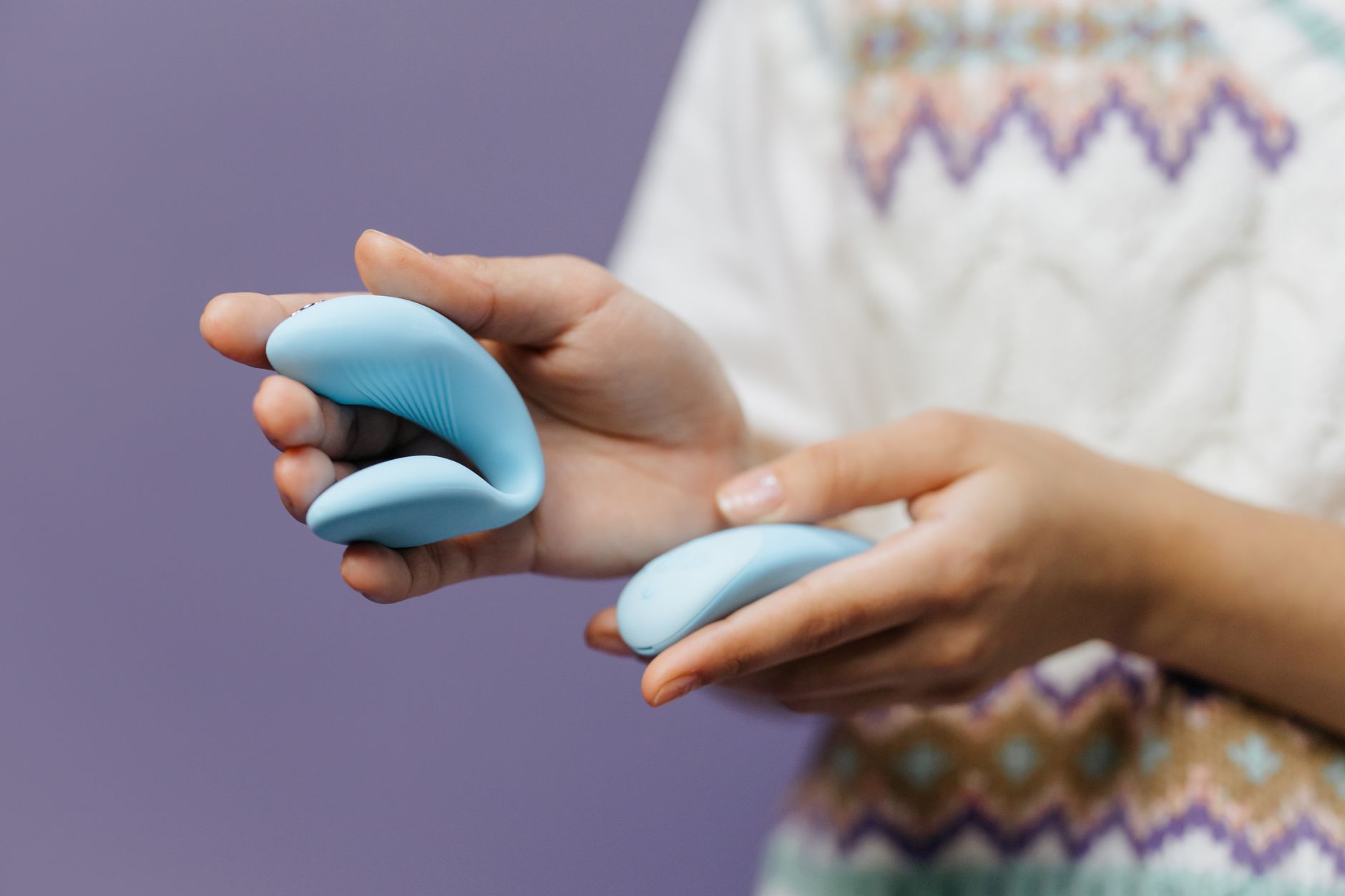
The path back to sexual confidence after medical trauma isn't about forcing yourself to feel sexy again. It's about slowly, deliberately reminding your nervous system that your body can feel good. That it's safe. That pleasure is part of healing, not a betrayal of it. A lemon clitoral vibrator becomes a tool in that reclamation—not because it solves anything magical, but because it gives you control, precision, and a clear psychological boundary between medical touch and erotic touch.
When you're in survival mode during illness or recovery, your body numbs. Not just emotionally—physically. Your nervous system locks down. Blood flow pulls inward. Sensation gets muted as a protection mechanism. Even after you're medically cleared, that protective numbness lingers.
Here's the thing: you can't think your way out of this. You can't logic yourself into arousal. You have to rebuild sensation from the ground up, and that requires gentle, consistent stimulation.
A lemon vibrator works because it delivers precise, patterned stimulation to the most sensitive area of your body without requiring you to do anything but receive it. You're not performing. You're not trying to be sexy. You're literally just letting your clitoris remember what pleasure feels like.
Many of my clients describe this as the first moment, post-crisis, when they felt their body belong to them again. Not to a disease. Not to doctors. To them.
Timing matters, but not in the way you'd think. You don't need to wait until you feel desire. Desire comes after sensation, not before. You need to be physically healed enough that touch won't cause pain—usually 6-12 weeks after major surgery, whenever your surgeon says tissue healing is solid. But emotional readiness? That's different. You can start before you feel ready.
Start in a space where you feel safe and completely alone. No partner in the next room. No ambient anxiety. Your bedroom, locked door, phone off. The goal is to create an environment where your nervous system can relax enough to actually receive sensation.
Set a time limit: 15 minutes, maximum. You're not trying to orgasm. You're not trying to prove anything. You're teaching your body that touch can feel neutral, then good, then pleasurable. That takes time and zero pressure.
Start clothed. Lie down in a comfortable position. Use a water-based lubricant on the external area, even if you don't think you need it. Thin tissue and protective numbness mean penetrative touch should wait. You're working with external sensation only.
Turn the lemon vibrator to its lowest intensity pattern. This is crucial. You're not chasing intensity. You're exploring sensation. Start at the side of the clitoris, not directly on it. Move slowly across the area for five minutes without any expectation of response. Your job is to notice. What does it feel like? Buzzy? Tingling? Numb? All of the above?
These sensations will change week to week. That's not failure. That's your nervous system learning to trust touch again.
Stop before you feel frustrated. Before you're thinking "this isn't working." Stop when you're still curious. Curiosity is the opposite of the shutdown response, and that's the state you're rebuilding.
Once you've done this 2-3 times and the buzz doesn't feel completely foreign, move to the next phase. Same setup, same time limit, but now you can experiment with slightly different patterns and positions.
The lemon vibrator has multiple intensity levels. You're still keeping it low, but you might shift from pattern 1 to pattern 2. You might move to directly on the clitoris instead of the side. You might increase the time from 5 to 10 minutes.
Notice what you notice. Does one pattern feel better than another? Does your body tense up at certain intensities? That tension is information, not failure. Your body is telling you where the edges of safety are.
If numbness is still heavy, slow down. This can take months, and that's okay. Some of my clients spent two months just on this phase before orgasm was even on the table. Their bodies were rebuilding the neural pathways between stimulation and pleasure. That's worth the time.
If you have a partner, this first part should be solo. Not because partners are bad—because reclaiming your body as yours is the first step. Once you've spent a few weeks rebuilding that solo relationship with sensation, then you can invite them in.
When you do bring a partner back into the picture, you're the one with the lemon vibrator. They watch, or they're beside you, but you maintain control. You set the pace. You decide when to add their touch, if at all. This isn't punishment. This is rebuilding trust in your own body while in proximity to someone else's presence.
Many couples find this deepens connection in unexpected ways. Your partner gets to witness you actively healing. You get to feel safe while they're present. That's profound intimacy, even without penetration or traditional sex.
Here's what nobody talks about: the real barrier isn't physical. It's the story you're telling yourself.
"My body betrayed me." "I'm not sexy anymore." "This won't work." "I'm broken." Your brain keeps replaying those scripts while your clitoris is trying to wake up. So you have to actively rewrite the narrative while you're using the lemon vibrator.
Notice each small sign of sensation without judgment. "My clitoris felt that buzz." Not "finally" or "it worked." Just factual. You're training yourself to receive good information about your body, not demanding proof that you're healed.
If thoughts come up during a session—anxiety, grief, numbness—pause and acknowledge them. You don't have to push through. Healing isn't about forcing yourself to feel good. It's about gently, patiently showing your nervous system that your body is safe again.
After 4-8 weeks of this foundation work, most people start noticing actual arousal. Not performance. Real arousal. Blood flow. Lubrication. The clitoris begins to swell in response to stimulation. Your body remembers.
That's when you can start increasing intensity if you want to. Exploring different patterns. Maybe adding penetration if that interests you. Or staying external forever. There's no "supposed to" here.
If orgasm happens, great. If it doesn't for months, that's also completely normal post-medical trauma. Some of my clients took six months to orgasm again after major surgery. One took a year. But the pleasure came back before the orgasm, and that pleasure—that reclamation of sensation—was the real healing.
If you're feeling sharp pain, intense burning, or any sensation that feels medically wrong (versus emotionally wrong), pause and check with your doctor. You might have scar tissue that needs attention. You might have residual swelling. That's not a sign that this approach is wrong. It's a sign that you need a provider's eyes on what's happening.
Also: if you're deep into this process and realizing that the medical trauma was also sexual trauma, or that anxiety is completely blocking sensation, consider working with a therapist who specializes in sexual health. A lemon vibrator is a tool. Sometimes you need tools plus professional support. That's smart. That's healing.
Your sexuality survived. It's been dormant, scared, protected. But it survived. A lemon clitoral vibrator is just a way of sending your body a message: "We're safe now. Your pleasure matters. You get to have this back."
Take your time. There's no timeline for reclaiming what was taken. But I promise you: it comes back. Your body remembers how to feel good. You just have to be patient enough to listen.
It depends on the type of illness or surgery and your individual nervous system. Most people notice small shifts in sensation within 2-4 weeks of consistent, gentle stimulation. Real arousal typically returns within 6-12 weeks. But full sexual confidence can take longer—sometimes 6 months to a year. This isn't linear. You might have weeks where sensation feels strong, then a week where numbness returns. That's normal. Your nervous system is learning to trust again.
Completely normal. Many people associate their body with pain and medical invasion. The idea of pleasure in that same body can feel like a betrayal of the survival instinct that got you through. That guilt softens with time and with actual sensation. Once your body starts remembering what good feels like, the guilt usually transforms into something closer to curiosity or relief.
Always check with your doctor first. If you're cleared for sexual activity, you can start. If you're still in active treatment or recovering from surgery, wait until your provider says tissue healing is solid—usually 6-12 weeks post-op. The last thing you want is to compromise healing to rush pleasure. The pleasure will wait.
Orgasm isn't the goal. Sensation is. If you're feeling pleasure, tingling, arousal, or even just "my body feels something," that's success. Orgasm might come later. It might come with a partner. It might not come for months. Your nervous system gets to set the pace. Many people find that when they stop chasing orgasm and just focus on sensation and pleasure, orgasm arrives on its own eventually.
That depends on your relationship and communication style. Some couples do this work entirely separately, then come back together. Others find that transparency—"I'm rebuilding sensation slowly, and here's how you can support that"—actually deepens intimacy. There's no wrong choice. What matters is that you feel safe and in control.
Some medications can reduce sensation or delay orgasm, but they don't prevent the lemon vibrator from working. You might need slightly higher intensity or longer warm-up time, but the approach is the same. And here's the thing: addressing the anxiety often helps more than chasing a different solution. If anxiety is a wall between you and sensation, working on that (therapy, medication adjustment, grounding exercises) alongside the vibrator use can accelerate everything.