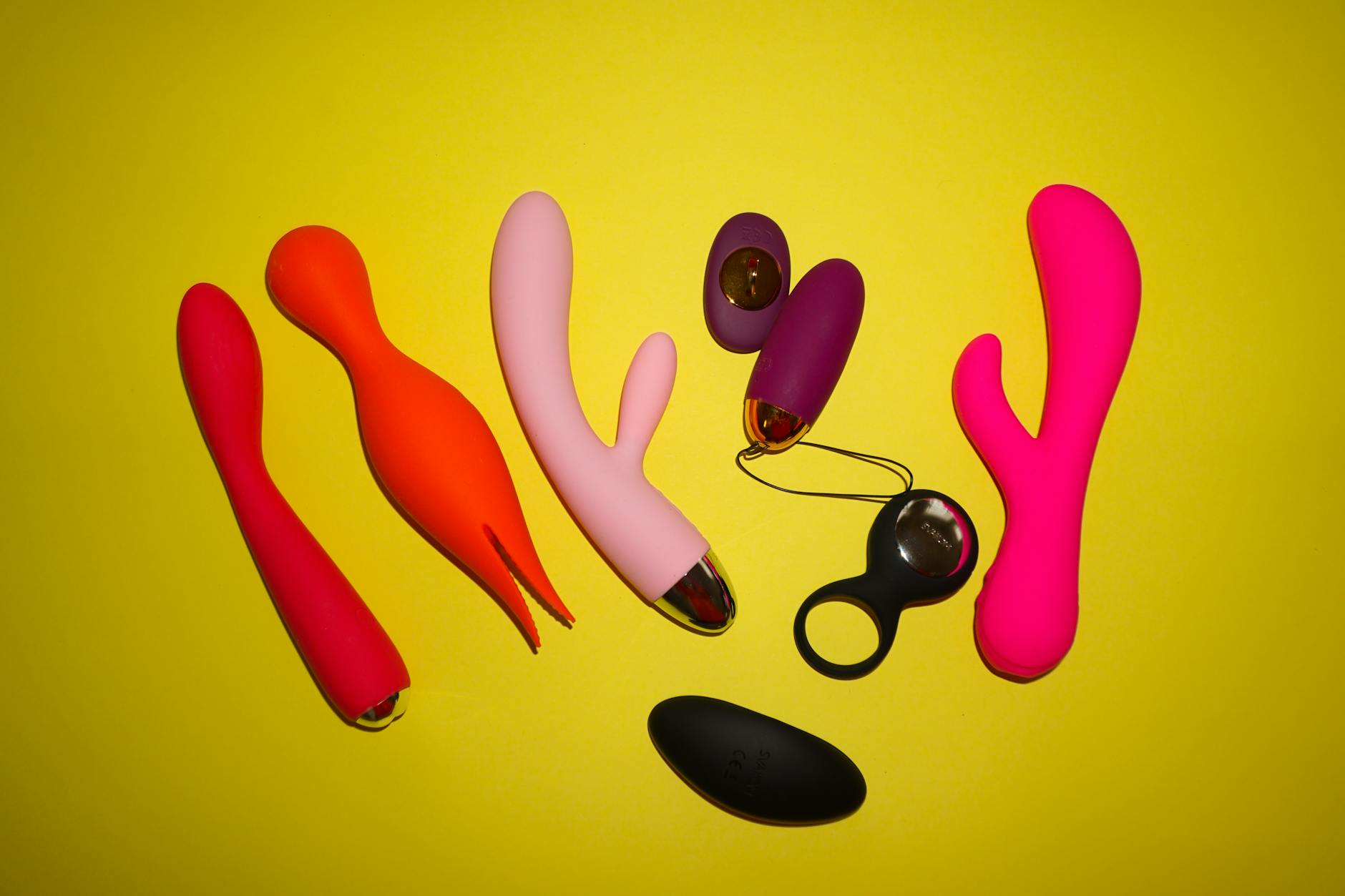
Your lemon vibrator used to feel incredible. Now it feels like... less. The pattern that sent you into orbit three months ago barely registers. You're not imagining it, and you're definitely not broken. This is one of the most common experiences with long-term toy use, and it has nothing to do with the device failing you.
Your body has something called sensory adaptation. It's the same reason you stop noticing your clothing on your skin after a few minutes, or why a consistent hum in the background fades into silence. Your nervous system is brilliantly efficient. It learns to tune out stimulation that stays the same.
When you use a lemon clitoral vibrator regularly, the nerves in your clitoris become accustomed to the exact frequency, pattern, and intensity. The sensation stops being novel. What once felt electric now feels routine. This isn't desensitization in the damage sense. It's adaptation in the normal, healthy sense.
The weird part? Your body is actually becoming more efficient at processing that input. The problem is efficiency doesn't equal pleasure. You need novelty to feel the same spark.
Here's what I see constantly with clients: the battery slowly loses power without any obvious sign. A lemon vibrator that should deliver maximum intensity at setting 5 might actually be running at 85 percent of its original power, then 75 percent, then 65 percent. The decline is gradual enough that you don't notice it happening. You just notice one day that something feels off.
Lithium batteries lose capacity with every charge cycle. A new battery might give you full power for 500 cycles. By cycle 200, you're already at about 80 percent capacity. By cycle 400, you're at 60 percent. The device still works. It just works quieter.
The only way to know for sure is to compare. If you have another vibrator handy, turn them both on at setting 5 and hold them next to each other. You'll feel the difference immediately.
This one catches people off guard because it has nothing to do with the toy. Your pelvic floor muscles hold tension the way your shoulders do when you're stressed. Some people live in a state of chronic pelvic floor tension without even realizing it.
When those muscles are tight, the sensation from a lemon vibrator gets dampened. It's like trying to hear through a clenched jaw. The sound gets muffled. Tight pelvic floor muscles literally reduce the intensity of sensation reaching your nerve endings.
Stress, anxiety, relationship tension, or even just aging can increase baseline pelvic floor tension. You don't feel it consciously, but your body does. The toy hasn't changed. Your body's capacity to receive the sensation has.
Most people stick with the same pattern. Setting 3, pulse mode, every single time. Your nervous system learns this pattern intimately. It anticipates the rhythm. Anticipation and surprise are two completely different things in the brain.
When you know exactly what's coming next, pleasure flattens. When you don't know, it deepens. This is why switching to a different pattern, even on the same device, can feel revelatory. The novelty itself resets sensation.
If your lemon vibrator has lost its edge, here's what I recommend trying first.
Step 1: Full charge cycle. Leave it on the charger for the full recommended time. Don't top it up. Do a complete drain and recharge. This recalibrates the battery management system and often restores some of the power you've lost.
Step 2: Pattern rotation. Spend a week using only patterns you've never tried, or rarely use. Avoid your usual setting. This breaks the nerve adaptation cycle. By the time you go back to your favorite pattern, it will feel new again.
Step 3: Pelvic floor reset. Do 5 minutes of breathing and gentle pelvic floor relaxation before using the toy. Lie down, breathe slowly, and on each exhale, consciously relax those muscles. Think of it as melting. This lowers baseline tension and increases sensation capacity.
Step 4: Take a break. If you use your lemon clitoral vibrator multiple times weekly, go 10 to 14 days without it. This longer pause resets sensory adaptation more completely than a pattern switch alone. When you come back, it will feel almost new.
Most people see noticeable change within three to five days of these steps.
If the reset protocol doesn't help, the issue might be physical. Check for these signs.
Cracks or wear on the silicone. If the surface feels rough or damaged, bacteria can harbor there, and the sensation changes. Clean thoroughly with warm soapy water or a toy cleaner. If damage is visible, it's time for a fresh device.
Loss of any vibrational feeling at all. If it doesn't buzz even on the highest setting, the motor may be failing. This is rare with quality lemon sexual toys, but it happens. Contact Hello Nancy support for a replacement.
Charge port issues. If the device won't hold a charge or only charges intermittently, the battery connection is compromised. Again, reach out for help.
Here's something I want to name directly because it matters. Using the same toy, same pattern, same position, every time isn't boring because you're broken. It's boring because novelty is how pleasure works. Your nervous system is doing exactly what it's supposed to do.
This is why people with partners sometimes report that introducing a new lemon clitoral vibrator into partnered play feels more intense than using it solo regularly. It's not the partner. It's the context shift. New setting, new energy, new anticipation. The nervous system wakes up.
If you love your device, you don't have to retire it. You have to stop treating it like it's supposed to deliver the same experience every single time. Rotate patterns. Vary position. Take breaks. Pair it with different activities. This isn't about fixing your vibrator. It's about honoring how your body actually works.
No. Sensory adaptation is completely reversible. The nerves don't lose function. They just stop responding to a constant stimulus the same way. Taking a break, switching patterns, or changing context resets the adaptation cycle. Your sensation capacity is still there.
Charge it when the battery indicator shows low, typically every 5 to 7 days with regular use. Don't leave it on the charger for days. Do use it regularly rather than letting it sit uncharged for months. Batteries stay healthiest with active use and proper maintenance.
No. Higher intensity doesn't cause permanent nerve damage. What it might do is speed up sensory adaptation because the stimulus is stronger. If you want to maintain long-term sensation, varying intensity is actually helpful. Your nervous system adapts faster to consistency than to variety.
Desensitization would mean your nerves stop responding altogether. That's extremely rare. Pelvic floor tension dampens sensation by creating physical resistance to the vibration. It's temporary and fixable with relaxation. Check in with your body. If you can consciously relax those muscles and sensation improves, it's tension, not desensitization.
Absolutely. Your body changes. Your preferences change. Nerve adaptation happens. Some people rotate between two or three lemon sexual toys specifically to avoid monotony. That's not a flaw in the original device. That's smart pleasure management. Many Hello Nancy customers keep more than one device for exactly this reason.
Yes, mildly. Warming the device slightly before use can make sensation feel slightly more intense. Some people warm it in their hands or briefly under warm water. Cold toys often feel duller. This is a tiny factor compared to nerve adaptation or battery health, but it's worth knowing.
Your lemon vibrator hasn't betrayed you. Your body is doing what healthy nervous systems do. The answer isn't a new device. It's understanding how sensation actually works and working with your body instead of against it. Start with the reset protocol, be patient, and pay attention. You might rediscover why you loved it in the first place. Or you might realize you're ready to try something different. Either way, your pleasure matters enough to troubleshoot properly.
If you want to talk through what might work best for your body right now, my team at Hello Nancy is always here to help. Reach out at /contact.