Lemon Vibrator: How to Use With a Partner Without Awkwardness
The conversation nobody wants to have and everyone needs to. Plus the actual moves that work, and why lemon suction toys change the game for two people in bed together.
Introducing a lemon vibrator into partnered sex triggers something primal in a lot of people: the fear that you're telling your partner "this isn't enough" or "you're not doing it right." That's not what's happening. A clitoral vibrator in the bedroom is not an indictment. It's an instruction manual.
Honestly though, half the couples I work with never even try because the conversation feels too loaded. So let's cut straight to the part everyone's thinking: this is not about replacing your partner. It's about expanding what's possible together.
I've seen couples jump straight to using a lemon vibrator without talking about it first, and it almost always goes sideways. One partner feels like a prop. The other feels rejected. No one gets what they wanted. The toy sits in a drawer for two years.
The conversation is where the real work lives. Here's what I tell clients: frame it as exploration, not complaint. "I want to try something that might feel even better for both of us" lands completely differently than "I need more stimulation." The first is collaborative. The second sounds like criticism.
Start small. Text it if eye contact feels too much. Share an article. Ask what your partner thinks about incorporating more sensation into sex. See what comes back. You're looking for curiosity, not enthusiasm. Curiosity means they're open.
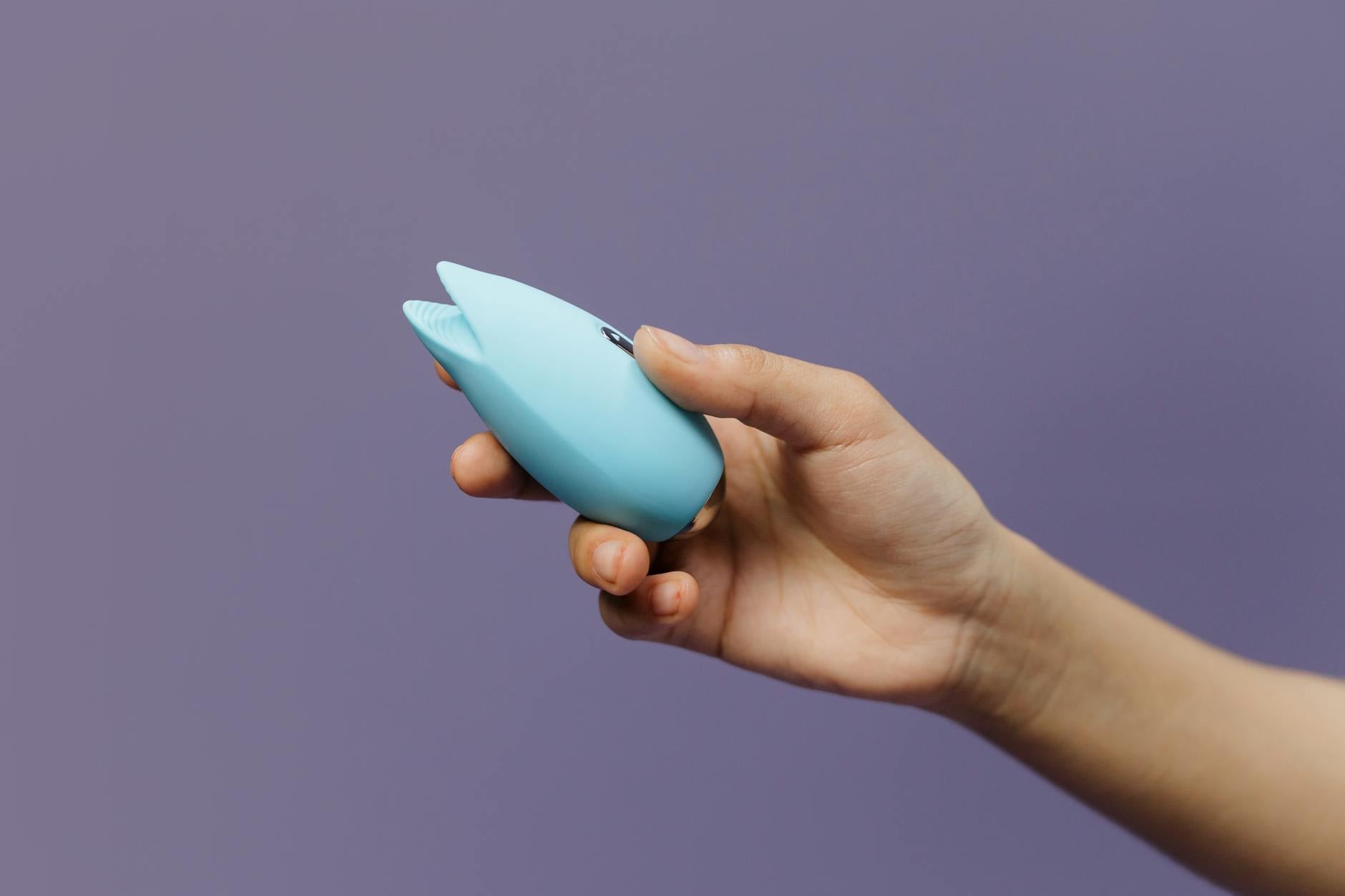
Lemon clitoral vibrators are designed with partners in mind, even if marketing never says it out loud. The Lemon (or similar suction-style toys) works brilliantly in partnered scenarios because it doesn't take up physical space the way a traditional vibrator does.
Here's the practical reality: during penetration, a full-size wand sits awkwardly between bodies. You're both contorted. Someone's arm falls asleep. A lemon vibrator nestles against the clitoris from above and actually lets your partner stay close. The sensation is concentrated and exact. Your partner can feel what's happening. You're not zoned out in a corner of the bed.
Positioning matters. Woman-on-top is the easiest entry point because your partner has full visual access and can hold the toy steadily. If you're on your back, your partner can kneel between your legs or at a 45-degree angle, supporting themselves with one hand while controlling the toy with the other. Side-by-side works if the toy is in the partner's dominant hand.
Start with the lowest setting. Full intensity is never the move when someone else is holding it. You want to build sensation together, and lower vibrations leave room for rhythm changes without things getting chaotic.
Three things kill the flow: treating the toy like a clinical device, overthinking placement, or stopping mid-sex to troubleshoot. Here's how to avoid all three.
Introduce it before you're fully aroused. Sit together, talk about it, maybe hold it, get used to seeing it in your hands. Let it lose the "special event" energy. If a lemon vibrator only appears once a year on your anniversary, it'll always feel ceremonial and weird.
Once you're together, let your partner lead the pressure and placement. Your body will tell them where it wants to be. Don't narrate ("a little to the left") unless something's genuinely wrong. A few nonverbal signals work better: hand placement, breathing changes, small movements. Your partner will catch on.
Keep the conversation going afterward. Not in a clinical way. Just "that was really good" or "I liked when you..." This grounds the experience as positive and normal, not experimental or risky. It also tells your partner what worked so they know for next time.
I work with couples where one partner wants to try a vibrator and the other feels threatened by it. That feeling is almost always about something else: "Does my partner still want me? Am I enough? Is this a sign the relationship is in trouble?" Those are real questions that need real answers before the toy ever comes out of the box.
If your partner is hesitant, ask what they're actually afraid of. Usually it's one of three things: that you'll want to use it solo and won't want their touch anymore, that it means sex with them isn't satisfying, or that they'll feel redundant. None of those are true, but they all need acknowledging.
A lemon vibrator in your hand doesn't mean your partner isn't necessary. Your partner is the context. They're the one you want next to you. The toy is just one variable in what already exists. That's a genuinely different thing from solo play, and it's worth saying out loud.
Menopause changes this conversation even more. Why lemon vibrators feel better after menopause is worth reading if that's your situation. A partner who understands that clitoral sensitivity shifts can actually make the experience closer, not more distant.
One partner loves it, the other feels left out. Solution: rotate roles. If you're usually the one receiving, try holding the toy for your partner. Suddenly you're engaged, not sidelined.
The vibrator gets in the way of sensation. Solution: use it earlier in the sequence, not during penetration. Build arousal together, then move into other contact while sensations are already high.
One partner gets sensitive quickly. Solution: shorter sessions, lower intensity from the start, and more lube. Clitoral tissue responds better when there's moisture. Water-based is safest with any silicone toy.
Self-consciousness about noise. Solution: remember that arousal sounds are actually hot. Normalize them. Your partner probably wants to hear them.
If you've talked about this multiple times and your partner still refuses outright, that might point to something deeper. Not every couple uses vibrators together, and that's completely fine. But if one partner wants to explore and the other shuts it down entirely, that's a respect issue, not a preference issue.
A sex-positive therapist can help unlock those conversations. Sometimes it's not about the toy at all. Sometimes one partner feels unheard in other areas of the relationship and this is just where it surfaces. Getting professional support early prevents resentment from calcifying.
Let's skip past the awkwardness and name what this is really about: knowing your partner well enough to grow together. Using a lemon vibrator as a couple says "I want to know what feels best for you" and "I'm curious about what we can experience together." That's intimacy.
Clitoral vibrators work better in partnered sex because the best sex isn't about individual sensation. It's about presence. It's about your partner knowing you're with them, and you knowing they're paying attention. A toy that lets both those things happen at once is just good design.
Try it once. If it doesn't land, you've lost nothing except 20 minutes and whatever awkwardness you can laugh about later. If it does, you've found something that makes both of you feel more connected, more seen, and more satisfied. That's worth the conversation.
Lead with curiosity, not criticism. "I read about something I want to try together" is different from "I need this to enjoy sex." Make it about expanding what's already good, not fixing what's broken. Your partner needs to know this is about them, not away from them.
Completely. Masculinity gets wrapped up in sexual performance in ways that don't actually reflect how bodies work. A partner using a clitoral vibrator isn't commentary on penis size or technique. It's biology. Many women require clitoral stimulation to orgasm, and adding that doesn't diminish anything else happening. Reframe it as "we're making this better together," not "this is making up for something missing."
Use it whenever it feels right. The more normal it becomes, the less ceremonial and weird it feels. If you only bust out the lemon vibrator on anniversaries, it stays weird. If it's just one option in your regular rotation, it's just a tool you both enjoy. That's healthier.
Then you've learned something useful about how bodies are different. Not all stimulation works for everyone. The goal isn't synchronized orgasms. The goal is both people feeling good and feeling present. That might look different each time, and that's fine.
Ask. Directly. "Are you genuinely into this, or are you doing this because I want to?" Real feedback sounds like specifics: "I like when you..." or "That angle felt..." Obligatory enthusiasm sounds like "Yeah, it's nice." You can tell the difference. If your partner isn't genuinely interested, pause and talk about why. It might be worth revisiting later.
Lemon clitoral vibrators and similar suction-style toys work well for partnered sex because they're compact, precise, and don't take up much physical space. But what actually matters is what feels good to both of you. Try different options. Ask what sensations matter. Some couples prefer wand vibrators. Some prefer air-suction. Some prefer nothing but hands. There's no single right answer.
A lemon vibrator in partnered sex is not a replacement for intimacy. It's a deepening of it. It says "I want to know what makes you feel incredible" and "I'm willing to explore that with you." That conversation, and then that action, changes everything. Not because the toy is magic. Because you're both paying attention together.