Does hormonal birth control reduce clitoral sensitivity
Hormonal contraception changes how your body responds to stimulation. Here's what's actually happening, why you might feel less, and what helps you feel more.
Let's be real. You go on hormonal birth control for a lot of reasons. Preventing pregnancy, managing periods, easing cramps, clearing skin. Nobody sits you down and says, "By the way, this might change how your clitoris feels during sex." And yet, for a significant number of people, it does.
The weird part? It's not universal. Some people notice nothing. Some notice everything. Most notice something somewhere in the middle, then wonder if they're imagining it. You're not. And it's not because anything is broken. It's because hormones literally regulate blood flow, tissue sensitivity, and neurological response in your genitals. When you change your hormones, you change those systems.
Here's what the research shows, what happens in your body, and what actually helps you feel more sensation again.
Hormonal contraceptives work by suppressing the hormones that trigger ovulation. That means lower estrogen and progesterone, depending on the type you're using. This matters for pleasure because estrogen does a lot of work downstairs. It increases blood flow to the clitoris, boosts natural lubrication, and helps regulate nerve sensitivity.
When estrogen drops, blood flow decreases. Less blood flow means less engorgement of clitoral tissue, which in turn means sensations feel muted. It's not phantom sensation. It's physiology.
Testosterone also plays a role, even for people with vulvas. Yes, you produce testosterone. It's a primary driver of clitoral sensation and arousal. Hormonal birth control can lower testosterone levels, which affects how intensely you feel stimulation and how quickly arousal builds.
The clitoris doesn't shrink or change shape. The nerve density stays the same. But the tissue's ability to swell and respond to stimulation gets quieter. Think of it like turning down the volume on a speaker. The speaker still works. The music is still there. You just have to listen closer.
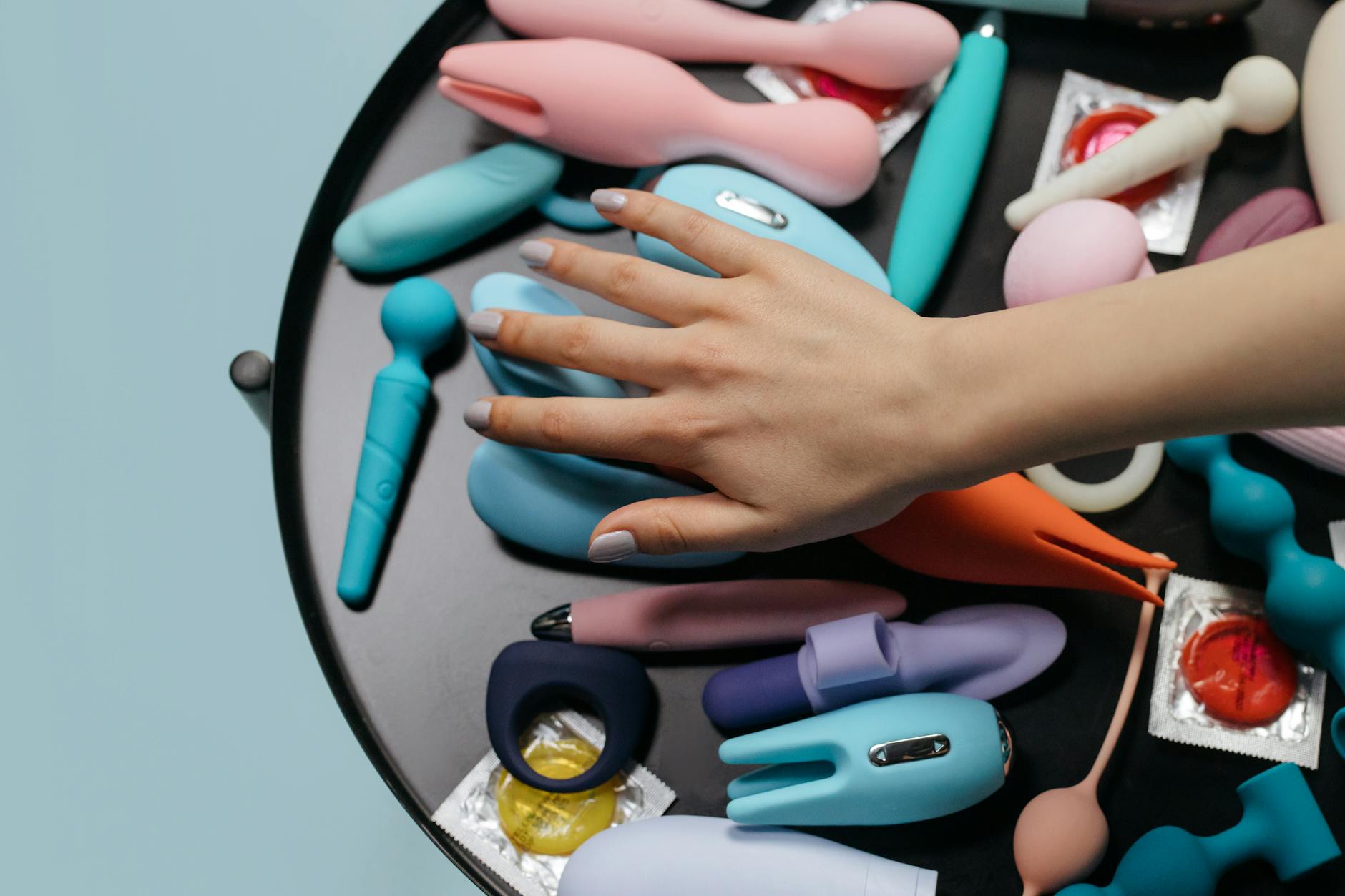
This is where air-suction technology matters more than people realize. Traditional vibrators rely on oscillation at higher frequencies. They work fine, but they require the clitoris to be already somewhat engorged and responsive to feel the full effect.
Lemon vibrators, built on suction and pulsing patterns instead of straight vibration, engage clitoral tissue differently. They create a gentle pulling sensation that builds engorgement gradually. You're not relying solely on nerve sensitivity. You're actively increasing blood flow through the suction mechanism.
For people on hormonal birth control dealing with reduced sensation, this matters. A lemon clitoral vibrator can help bypass the initial dampening by pulling more blood into the tissue, which then amplifies whatever sensation is present. It's like turning up the volume by first fixing the speaker itself.
Many people report that lemon vibrators feel more effective during hormonal birth control than the vibrators they used before starting contraception. Not because the toy changed. Because the mechanism works better for bodies with lower baseline arousal and engorgement.
Most people notice changes in sensitivity within the first three months of starting hormonal birth control. Some adjust completely and feel normal within six months. Others find that reduced sensitivity sticks around as long as they stay on the method.
If you've been on the pill, patch, or ring for a while and just accepted quieter sensation, it's worth knowing that some of it may not be permanent. If you ever switch methods or go off hormonal contraception entirely, sensation often bounces back. Not always instantly, but within weeks to a few months as your natural hormone cycle reestablishes.
This matters because reduced clitoral sensitivity is one reason people stop hormonal birth control. And it's absolutely fair to leave a method that's affecting your sexual pleasure. But it's also worth exploring whether tools like a lemon vibrator can make the current method work better for you before deciding it's not right.
Extend your warm-up time. If arousal used to build in five minutes and now takes fifteen, that's not a personal failing. That's biology. Budget the time and let it happen. Blood flow takes longer to build when hormone levels are lower.
Use a lemon sucker designed for sensation, not speed. The gentle pulsing patterns on devices like Hello Nancy's Lem work well because they build engagement gradually. Start at lower settings and work up. You're rewaking tissue, not shocking it into response.
Pay attention to your cycle, even on hormonal birth control. If you're on a combined pill with placebo weeks, you might notice slightly higher sensitivity during placebo weeks when your hormone levels drop temporarily. Some people also find that switching to continuous birth control (skipping placebo weeks entirely) reduces the fluctuations that can make you feel more in control of your sensation.
Consider talking to your doctor about switching methods. If sensitivity matters enough that you're thinking about it, mention it. Some hormonal birth control methods lower hormones less dramatically than others. A progestin-only pill, for instance, doesn't suppress estrogen as much as combined pills. An IUD releases hormones locally rather than systemically. There are genuinely different options.
If you've been on the same hormonal birth control for a year and sensation still feels absent, and you've tried extending warm-up time and using different stimulation styles, a conversation with a sex-informed gynecologist is worth having. Complete loss of sensation can sometimes signal something else going on, not just the hormones themselves.
Also worth mentioning to your doctor: if reduced sensation is making partnered sex less pleasurable or less frequent, and you're considering stopping birth control because of it. Your provider might have better information about which methods affect sensation least, or might recommend other strategies you haven't tried.
Noticing that hormonal birth control changed your sensation is not complaining. It's information about your body. You get to care about this. You get to prioritize it. And you get to use tools like a lemon vibrator, extend warm-up time, or change methods entirely if that's what feels right.
Your pleasure matters. The research shows that sexual satisfaction is tied to overall relationship health, personal wellbeing, and long-term satisfaction with your contraception method. If a method is affecting that satisfaction, it's a legitimate medical conversation.
No. Combined pills (containing both estrogen and progestin) tend to have more noticeable effects on sensation than progestin-only methods. Hormonal IUDs release smaller amounts of hormones into the bloodstream. And copper IUDs contain no hormones at all, so they don't affect sensation directly. The dose and type of hormones matters.
Absolutely. Hormonal birth control doesn't make your tissues more fragile or sensitive to external stimulation. If anything, the slight reduction in blood flow and engorgement means you have more control over intensity. Start at a lower setting and adjust from there, as you would with any toy.
Most people notice gradual improvement within 2-4 weeks after stopping combined hormonal contraception, with larger shifts by 2-3 months as the natural menstrual cycle restarts. Some people feel changes immediately. Everyone is different. Copper IUDs or non-hormonal methods restore sensation fastest because there's no hormone withdrawal period.
No. It's a reversible side effect related to hormone levels. If you stop the method or switch to a lower-dose option, sensation typically returns. The changes aren't structural. They're functional, driven entirely by hormone concentrations and blood flow.
Yes, actually. If you try using a lemon vibrator for the first time while on birth control and notice that it takes significant effort or higher settings to feel satisfied, that can be a clue that reduced sensitivity is at play. Switch to a lemon sucker style and see if the gentler suction pattern feels more engaging than traditional vibration. That can help you decide whether it's worth exploring other contraception options.
Lemon vibrators use suction and pulsing rather than fast oscillation. For people with reduced baseline arousal or engorgement, suction stimulation engages tissue more actively by drawing blood into the clitoris. Traditional vibrators work on sensation alone. When sensation is dampened by hormonal changes, the suction mechanism of a lemon clitoral vibrator becomes particularly useful because it's doing some of the work for you.
Hormonal birth control is incredibly valuable for countless reasons. It doesn't make you broken if it affects your sensation. It makes you someone managing a real side effect, and you deserve tools and information that help. A lemon vibrator, extended warm-up, or a conversation with your doctor about other methods. Pick what serves your pleasure and your peace of mind.