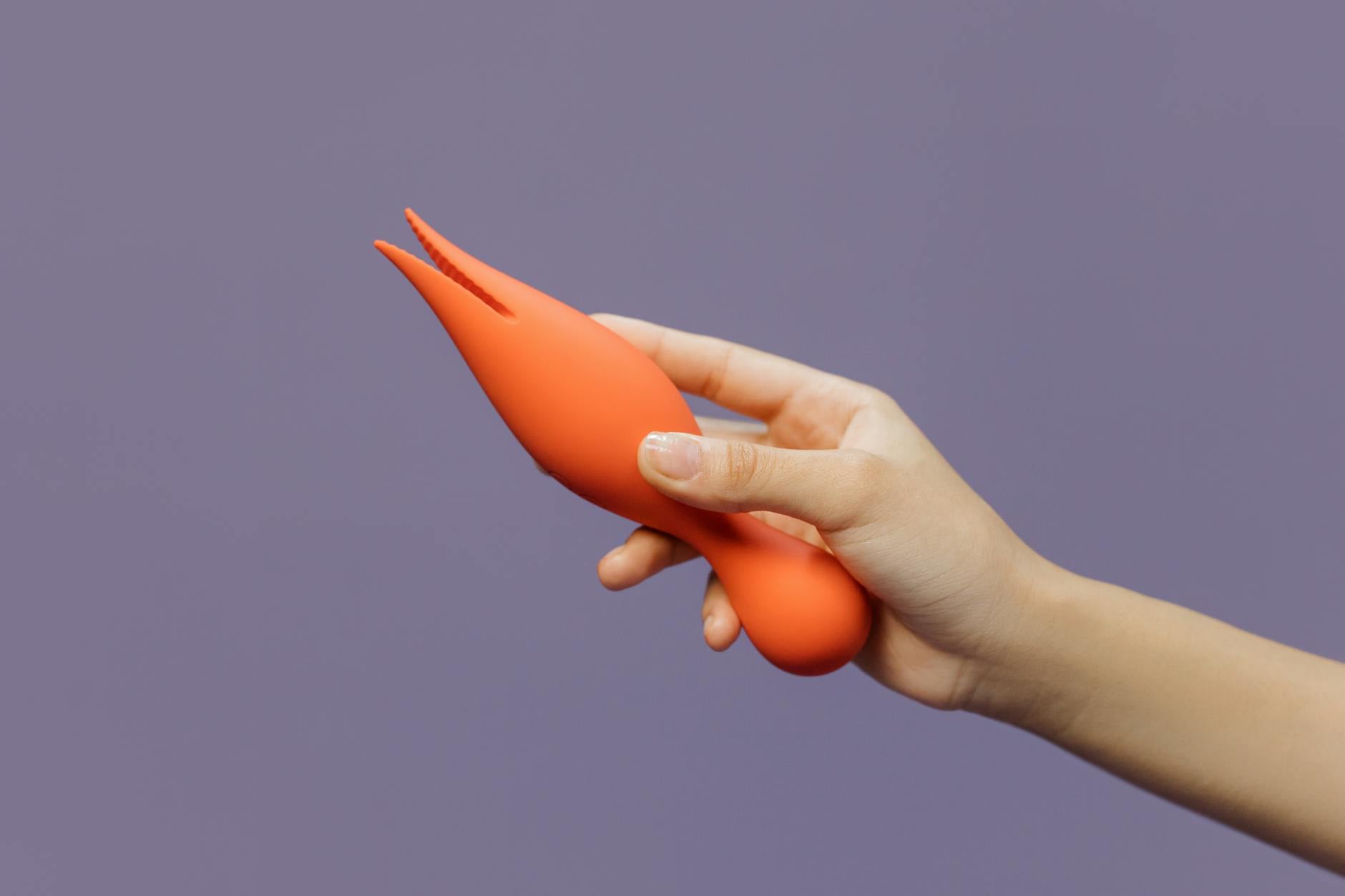
Can a Lemon Vibrator Help Strengthen Your Pelvic Floor?
The surprising link between clitoral vibrators, pelvic floor recovery, and why air-suction technology changes the game for post-childbirth and aging bodies.
Your pelvic floor is a muscle group. Like any muscle, it gets weaker with disuse, childbirth, aging, or prolonged sitting. And like any muscle, it actually strengthens when you engage it intentionally. The weird part? One of the most effective ways to activate your pelvic floor is through pleasure, not clinical exercises. A lemon clitoral vibrator, specifically one using air-suction technology, engages the pelvic floor differently than traditional vibrators. It can be a genuine part of your recovery toolkit.
I'm not saying this replaces pelvic floor physical therapy. But for maintenance, prevention, and the days you're too tired to do formal Kegels, this changes the equation.
Your pelvic floor muscles support your bladder, uterus or prostate, and bowel. They also contribute to orgasm intensity, sexual confidence, and core stability. When these muscles are weak, you might experience leakage during exercise, reduced sensation during sex, or that feeling of heaviness in the pelvis. After childbirth or during menopause, weakness is completely normal. But it's also completely reversible.
Traditional pelvic floor exercises (Kegels) work by teaching you to consciously contract and relax these muscles. You squeeze for five seconds, rest, repeat. Over weeks, the muscles build endurance and tone. The problem is that most people plateau on Kegels because they're boring and because conscious contraction only activates a fraction of the pelvic floor.
When you experience pleasure, especially through touch, your pelvic floor contracts involuntarily and rhythmically. That automatic response actually recruits more muscle fibers than voluntary Kegels alone. A lemon vibrator, especially one using suction, amplifies this response because it's stimulating the clitoris, which has thousands of nerve endings connected directly to your pelvic floor.
Let me clarify: not all lemon vibrators work the same way. A traditional vibrator produces rapid oscillation. An air-suction vibrator, like the Hello Nancy lemon vibrator, uses gentle pulsing suction that mimics oral sensation. That distinction matters for pelvic floor engagement.
When you use suction, the stimulation is less about friction and more about pressure changes. Your body responds to those pressure changes by engaging your pelvic floor reflexively. You're not thinking about contracting your muscles. Your body just does it, naturally and repeatedly, which is why the engagement is deeper and more complete than with voluntary exercises.
Suction also means less direct friction on sensitive tissue, which is crucial if you're in early postpartum recovery or dealing with any tissue fragility. The gentle pressure feels good and strengthens the floor without irritation.
After giving birth, your pelvic floor is stretched and sometimes torn. Physical therapists typically recommend waiting 6-8 weeks before reintroducing sexual activity and waiting 12 weeks before starting intensive pelvic floor exercises. But gentle engagement earlier can actually speed recovery.
Using a lemon clitoral vibrator on the lowest settings during this window gives your pelvic floor stimulation without strain. The rhythm of suction creates micro-contractions that rebuild strength gradually. It feels good, which matters because pleasure triggers oxytocin, which aids healing throughout your body.
One thing: if you had a significant tear or episiotomy, check with your care provider first. But for most standard recovery, a Hello Nancy lemon vibrator on a low setting is gentler and more effective than returning to penetrative sex too soon.
Here's the thing about pelvic floor strength: it only works if you're consistent. Most people do Kegels for two weeks, notice nothing, and quit. With a lemon vibrator, you're more likely to maintain the habit because it's pleasurable rather than a chore.
If you use a lemon clitoral vibrator twice a week, you're activating your pelvic floor twice a week. Over a month, that's eight sessions of deep engagement. Add that to whatever formal exercises you're doing, and you're looking at genuine strengthening within 6-8 weeks.
The bonus: as your pelvic floor gets stronger, your orgasms actually intensify. That's not marketing speak. A stronger pelvic floor means stronger involuntary contractions during climax, which most people experience as more intense sensation. You're essentially getting stronger and feeling better simultaneously.
In midlife and beyond, estrogen drops, and your pelvic floor muscles actually become more elastic (not tighter, even though it feels tighter). This can reduce sensation and make orgasm harder to reach. But it also makes the pelvic floor more responsive to targeted stimulation.
A lemon vibrator with suction technology is particularly helpful here because it doesn't require the same aggressive direct friction that can feel uncomfortable on thinner tissue. The suction mechanism stimulates deeply without harshness, and that gentle stimulation is often exactly what a mid-life pelvic floor needs to reactivate and strengthen.
If you're on hormone therapy, pelvic floor engagement gets even more interesting. HRT and localized estrogen treatments improve tissue quality, which means your pelvic floor responds more readily to exercise and pleasure-based stimulation. Combining both is genuinely powerful.
If you're working with a pelvic floor physical therapist, a lemon clitoral vibrator is a worthwhile addition to your home routine. Your therapist can guide you on timing and intensity. Many recommend using the vibrator on non-therapy days, so you're getting engagement four or five times a week instead of twice.
Some therapists even recommend using a vibrator immediately after therapy sessions, because your pelvic floor is already activated and ready to engage more deeply. The combination of professional treatment plus consistent home engagement (including pleasure-based engagement) produces the fastest results.
If you're not currently seeing a therapist but you're dealing with leakage, pain during sex, or reduced sensation, talk to your GP or gynecologist first. Sometimes pelvic floor weakness is a symptom of something else. But once you've ruled out underlying issues, a Hello Nancy lemon vibrator is a smart, evidence-based addition to your recovery plan.
Let's circle back to something important: this only works if you actually enjoy using it. There's no point forcing pelvic floor engagement through a device that feels uncomfortable or produces no sensation. The whole reason this approach works is that pleasure triggers involuntary muscle contractions, which is more effective than conscious contraction alone.
Take time to explore which settings feel good. Start low. Let your body warm up. Use lube even if you think you don't need it, because lube makes everything feel better and helps you focus on sensation rather than friction. If a standard lemon vibrator doesn't work for your body, other clitoral vibrators might. The goal is engagement and strength, but the path there is through genuine pleasure.
When pelvic floor work feels good, you actually stick with it. And consistency is where the real transformation happens.
No. If you have diagnosed pelvic floor dysfunction, pain during sex, or significant leakage, you need professional assessment and treatment. A lemon vibrator is a supplement to therapy, not a replacement. That said, many therapists recommend vibrator use as part of your home routine because it enhances the effects of professional treatment and keeps you engaged between sessions.
Two to four times per week is ideal for noticeable results. Some people use it daily, which is fine as long as you're not experiencing any irritation or soreness. Think of it like any other exercise: consistency matters more than intensity. Two reliable sessions weekly beats sporadic daily use.
After a vaginal delivery without complications, you can typically introduce external vibration (clitoral stimulation) around 4-6 weeks postpartum, assuming bleeding has slowed significantly. If you had a tear or episiotomy, wait for your care provider's clearance, usually 6-8 weeks. Always start on the lowest setting and build up gradually. If anything feels painful rather than pleasurable, stop and check with your provider.
Yes. Suction creates rhythmic pressure changes that trigger reflexive pelvic floor contractions. Traditional oscillating vibrators work more through direct stimulation, which is pleasurable but engages the pelvic floor less consistently. If you're specifically interested in pelvic floor strengthening, suction-based devices like the Hello Nancy lemon vibrator are more effective.
Potentially, yes. Stress urinary incontinence (leakage during exercise or coughing) is often caused by pelvic floor weakness. Consistent strengthening work, including pelvic floor engagement through vibrator use, can reduce or resolve leakage in many cases. But again, this works best alongside formal pelvic floor therapy. If leakage is severe or accompanied by pain, see a specialist first.
Reduced sensation is common after childbirth, during menopause, or with certain medications. Start with the lowest setting and allow at least 10-15 minutes for your body to warm up. Use lube generously. Sometimes sensitivity returns gradually as you become more familiar with the device. If you genuinely feel nothing after several sessions, try a different vibrator with a different sensation profile, or talk to your GP about whether something medical is contributing to the numbness.
Men don't have the same anatomy, but they absolutely benefit from pelvic floor strengthening. Men's pelvic floor exercises (also called Kegels) support erectile function, ejaculatory control, and orgasm intensity. While a lemon clitoral vibrator won't work for men's anatomy, other vibrators designed for men's pleasure will engage the male pelvic floor similarly, triggering the same beneficial contractions.
A lemon clitoral vibrator isn't a medical device, and it's not a replacement for professional pelvic floor therapy if you need it. But for maintenance, prevention, and building strength alongside other exercises, it's genuinely useful. Air-suction technology in particular creates a type of pelvic floor engagement that you can't get from Kegels alone, and the fact that it feels good means you're actually likely to keep using it.
Your pelvic floor is a muscle. It responds to engagement. And the most sustainable engagement is the kind that feels pleasurable enough to repeat. That's not just good health advice. That's just common sense.