How to Use a Lemon Vibrator When Solo Pleasure Feels Disconnected From Your Body
Dissociation during masturbation doesn't mean something's broken. It means your nervous system needs a different kind of signal. Here's how lemon clitoral vibrators can anchor you back to sensation.
You're touching yourself, but it doesn't feel like you're there. The sensation is distant, muted, like watching pleasure happen to someone else. Your mind's somewhere else entirely, or your body feels numb despite genuine physical touch. You're not broken. Dissociation during solo sex is wildly common and usually temporary, but it's also a signal worth listening to.
Here's the thing: disconnection during masturbation usually means your nervous system needs a stronger anchor back to the present moment. Most traditional vibrators don't provide that anchor. But lemon vibrators, specifically the suction-based technology of the Lem, offer a different kind of stimulation that can actually rebuild the connection between what you're feeling and the part of you that's experiencing it.
Dissociation is your brain's way of protecting you from overwhelming emotion, sensation, or memory. During sex, it can happen for a few overlapping reasons.
First, anxiety. If you grew up in a household where pleasure was shamed, or if you've internalized messages that your desires are "too much" or "not enough," your nervous system learns to float away during sexual moments as a protection strategy. Your conscious mind doesn't go there; neither does your body's full engagement.
Second, past trauma. If you have a history of sexual violence, dissociation during solo sex is a common trauma response. Your body learned that checking out keeps you safe. That's not weakness or dysfunction. It's adaptation. But adaptation can become a habit, and breaking the habit requires intentional nervous system work, not just willpower.
Third, stress and life overwhelm. When you're chronically stressed, your nervous system lives in a low-level dissociative state. Everything feels slightly distant, slightly unreal. Your nervous system is protecting you from feeling the full weight of your stress. Solo pleasure becomes another place where you're going through the motions without being fully present.
Fourth, numbing from mental health medication. If you're on SSRIs or other psychiatric meds that dampen emotional or physical sensation, dissociation during sex can be a side effect. You feel numb, so your mind matches your body's numbness by checking out entirely.
Most vibrators work through rapid oscillation. They buzz. The sensation is consistent and, over time, your nervous system adapts to it. Adaptation means less signal, less novelty, less reason to stay present. Your brain gets bored and drifts.
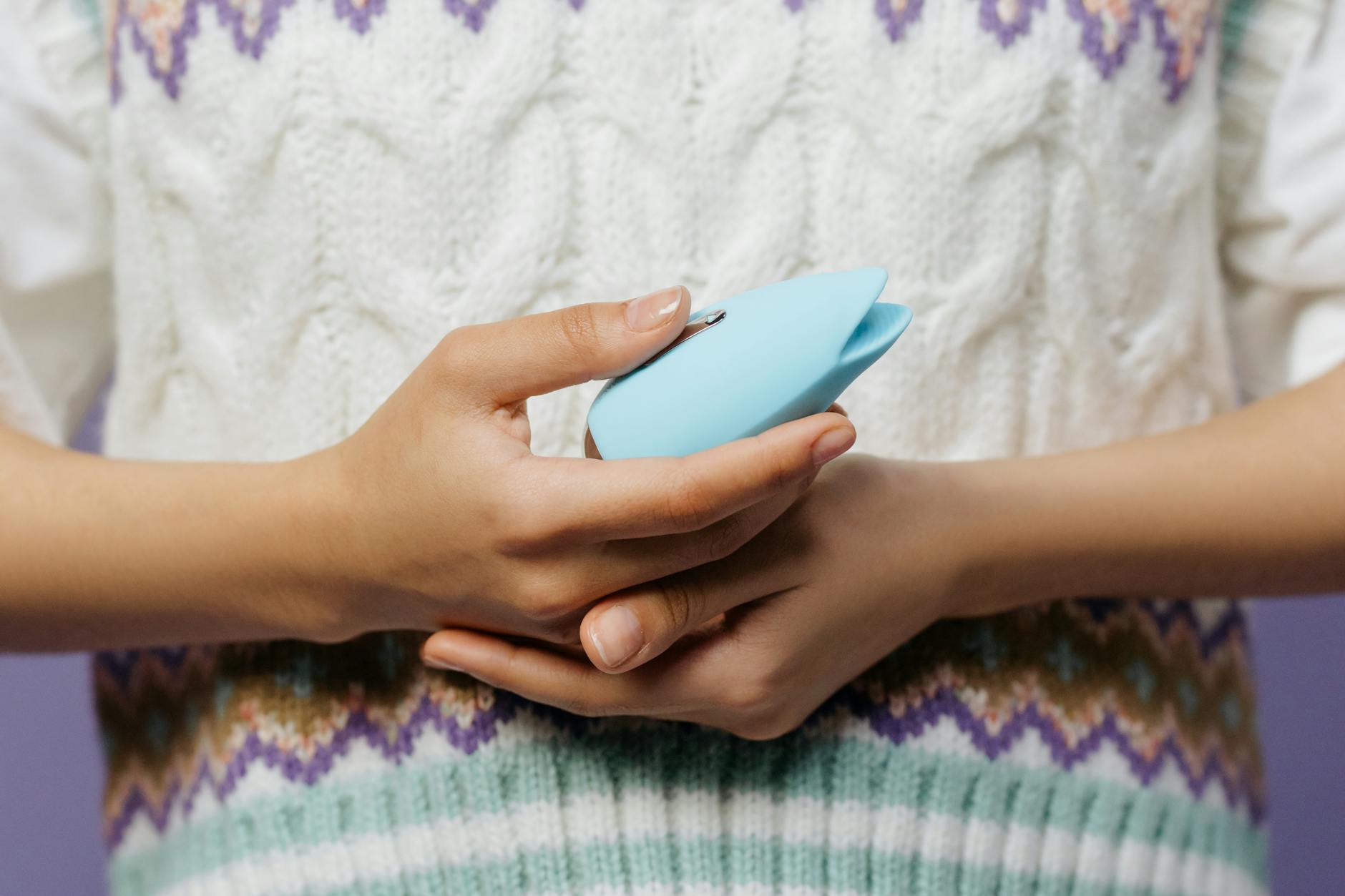
Lemon vibrators, particularly suction-based models like the Lem, work differently. Suction creates a rhythmic pulse and release. The sensation changes constantly. There's pressure, then release. Intensity can shift. Your nervous system can't tune it out because it's not a flat, repetitive signal. It's a conversation between you and the device.
That constant micro-variation in sensation is an anchor. It gives your nervous system something novel and interesting to process, which means your conscious mind has to stay present to track it. Dissociation thrives on monotony. It dies under novel, varied stimulation.
There's also a tactile element. The Lem is held in place; it has weight and texture. You're using your hands, your body position, your breath. You're active, not passive. Passive stimulation is easier to dissociate into. Active engagement pulls you back into your body.
If dissociation is your pattern, here's how to use a lemon clitoral vibrator intentionally to rebuild embodiment.
Start with intention, not arousal. Before you touch yourself, spend two minutes grounding. Feel your feet on the floor. Notice the temperature of the air. Name five things you can see. This preps your nervous system to stay present.
Touch yourself first, without the toy. Spend five to ten minutes using your fingers. The goal is sensation, not orgasm. Notice where you feel touch most acutely. Notice where you feel numb. This is data about where your nervous system is checking out.
Then introduce the lemon vibrator at low intensity. Start on pattern 1 or 2 with the Lem. The suction should feel noticeable but not overwhelming. Don't aim for orgasm. Aim for noticing. Every thirty seconds, pause and check in. Are you present? What do you feel? If your mind drifts, pause again, ground yourself with breath, and restart.
Use breath as an anchor. Breath is the fastest way to bring a dissociating nervous system back online. As you use the vibrator, match your breath to the rhythm. Inhale for four counts, exhale for four. If dissociation starts creeping in, your breath will shallow and quicken. Notice it. Slow it down deliberately.
Honor interruption. If you zone out or feel disconnected, don't push through. Stop. Rest. Try again another day. Building embodiment is not about forcing orgasm. It's about teaching your nervous system that solo pleasure is a safe space to be fully present.
Using a lemon vibrator is a tool, not a cure. If dissociation is tied to trauma or deep anxiety, the vibrator can help with the symptom, but you'll benefit from working with a therapist who specializes in trauma or somatic therapy.
Somatic therapists are trained to help your body release patterns of protection it's been holding. They work with sensation directly, not just talk. That's particularly useful when dissociation is your nervous system's learned response. A good somatic or trauma-informed therapist can help you rewire the association between solo sex and safety, so your body stops needing to check out.
If dissociation is medication-related, talk to your psychiatrist. There are often alternatives or timing adjustments that can help without sacrificing the benefits of the medication.
If it's rooted in shame, that's slower work, but it's work worth doing. Sex therapists and trauma-informed coaches can help you gradually rebuild a relationship with your own desire that feels safe.
You'll know you're getting somewhere when dissociation becomes a choice instead of a reflex. You'll still have moments where your mind wanders, but you'll notice it happening and pull yourself back. You'll use your lemon vibrator and actually feel the sensation. You'll have orgasms that feel like they're happening to you, not at you. You'll touch yourself and be genuinely curious about what happens next.
That takes time. Nervous systems rewire slowly. But they do rewire. Dissociation isn't permanent, even when it feels like your body's default mode. With the right tools, the right support, and a lemon vibrator that gives your nervous system something genuinely novel to engage with, presence comes back.
Start with a charged device and clean hands. A dead battery is a momentum killer.
Use lubricant even if you don't think you need it. The slight glide helps sensation feel more distinct and alive. Water-based lube works with all materials.
Don't set a time limit. "I'll do this for ten minutes" creates performance pressure and invites dissociation back in. Instead, focus on a number of pauses and check-ins. "I'll pause and ground three times." This keeps the goal on presence, not duration.
Experiment with different patterns and intensities, not in pursuit of orgasm, but in pursuit of curiosity. Which rhythm feels most anchoring? Which intensity pulls you most present? Let the answers guide you.
If you zone out, it's not failure. It's information. Your nervous system is telling you it still needs support. Try again tomorrow. Progress is nonlinear.
It's not marketing, but it's also not magic. Suction-based clitoral vibrators like the Lem create varied, novel sensation that's harder to dissociate from than traditional vibration. The varied stimulation gives your nervous system more data to process, which keeps your conscious mind engaged. That said, the vibrator is a tool. The real work is your intention to stay present and, if needed, professional support to address the root causes of dissociation.
Not necessarily. Dissociation can come from trauma, but it can also come from anxiety, shame, medication side effects, chronic stress, or simply learned habits from a culture that taught you to feel disconnected from your pleasure. Trauma is one cause among many. A therapist can help you figure out which.
No. It means the vibrator alone isn't enough, which is actually useful information. Consider working with a somatic therapist, trauma-informed sex therapist, or EMDR specialist. These approaches target the nervous system directly and can be transformative when dissociation is the pattern.
It depends on how long dissociation has been your pattern. If it's new and tied to recent stress, a few weeks of intentional practice with grounding and novel stimulation can help significantly. If it's a long-term pattern rooted in trauma or shame, expect months of consistent work, ideally with professional support. Progress is measurable in moments of presence, not orgasms.
Yes, often. If you've trained your nervous system to check out during solo pleasure, that pattern can carry over. The good news is that rebuilding presence alone often translates to better presence with a partner. You're retraining your nervous system in the safest possible context, and that learning spreads.
That depends on your relationship. If you have a partner and feel comfortable sharing, vulnerability around this can actually deepen intimacy. You might say something like, "I've noticed I disconnect sometimes during solo play. I'm working on that because I want to be more present with you too." If vulnerability feels unsafe in your relationship, work on this alone first. Your solo practice is yours.
Dissociation during solo pleasure isn't a character flaw or a sign you're broken. It's a nervous system adaptation that's become a habit. Habits can change, especially with tools designed to interrupt them, like lemon sexual toys that create novel, varied sensation. But the real change happens when you combine the right tool with intention, consistency, and professional support if dissociation is tied to trauma or deep anxiety. Your nervous system is trainable. Your body's capacity for presence can come back. A lemon clitoral vibrator is one anchor. You are the other.