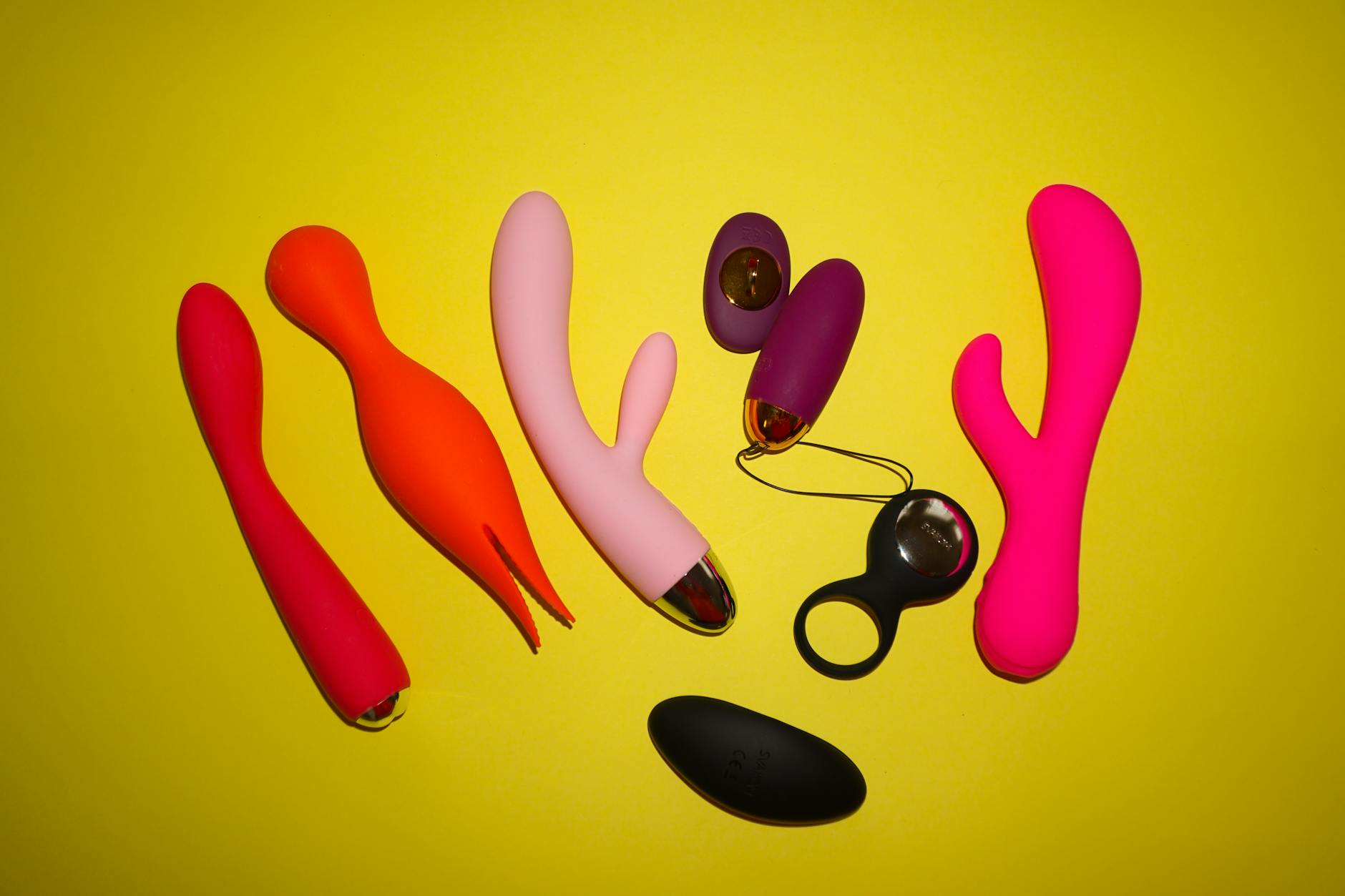
How Long Does It Take to Feel Comfortable Using Lemon Vibrators as a Beginner
The real timeline from first nervous try to actually enjoying yourself. Week-by-week what changes, what doesn't, and why patience matters more than you think.
Comfort with a lemon vibrator is not instant. It's also not something you need to white-knuckle your way through. Most people I work with report feeling genuinely comfortable somewhere between two and four weeks of regular use. Some get there in days. A few take eight weeks. All of those timelines are completely normal.
The confusion happens because "comfortable" means three different things, and nobody separates them. There's physical comfort (no pain, no strange sensations). There's mental comfort (not overthinking the tool itself). And there's pleasure comfort (actually enjoying what's happening). They unfold in sequence, and knowing which stage you're in matters way more than rushing through.
First week, you're hyperaware of everything. The sound. The vibration pattern. Your own breathing. Whether your phone is nearby. What time it is. This is not a sign something's wrong. Your nervous system is on high alert because you're doing something new, and new activates the brain's threat-detection machinery even when it's a good threat.
What to expect in days one through seven: the vibration might feel overwhelming, even on the lowest setting. Your clitoris is sensitive, and you're not used to this particular kind of stimulation yet. The suction sensation from a lemon vibrator can feel strange at first because it's fundamentally different from vibration alone.
What helps this week. Go slow. Seriously. Use pattern one. Touch the device to your inner thigh first, not your clitoris. Let your body clock it as "this is safe, this is just sensation." Ten minutes, lights on, no pressure to come. The goal is calibration, not orgasm.
Many beginners try too high an intensity too fast and conclude "this isn't for me" when really they just cranked the volume too loud. That's like trying headphones for the first time at maximum volume and deciding you hate music.
By day eight through fourteen, the novelty shock starts wearing down. You're not jumping at the sound anymore. Your clitoris isn't registering the sensation as a threat. You're breathing more normally. This is where people often say "okay, I see what this is about."
What changes: you can start experimenting with slightly higher patterns. Two, maybe three. Your arousal response time will likely shorten. Where week one might have needed twenty minutes of warm-up, week two might need fifteen. That's your nervous system relaxing, not your body changing.
Many people report that week two is when they have their first genuinely good experience. Not necessarily an orgasm. Just genuine pleasure without the overlay of "am I doing this right?" That mental noise finally quiets enough to feel something.
What to watch: if you're still having pain or numbness, it's worth checking your technique. Too much direct pressure on the clitoral head rather than around it, or too long in one spot, can create that dead-zone feeling. Lemon vibrators work better with slight movement and less sustained direct pressure than traditional vibrators do.
This is the real comfort milestone. By day fifteen through day twenty-eight, you're not mentally narrating what's happening anymore. You're not wondering if you're using it right. It's just a thing your body knows how to use now, the same way you know how to use a toothbrush without instructions.
What shifts: pleasure deepens. Your body's learned where you like the sensation most. You're mixing patterns instead of just hitting one. You're breathing more deeply. Some people orgasm for the first time with a lemon clitoral vibrator in this window. Many don't, and that's fine too.
Comfort at this stage also means you can use it with a partner watching without your nervous system going into a spin. Not every person feels ready for that, and that's completely valid. But the tool itself has stopped being the focal point.
The underrated part of week three and four: you're developing what I call embodied knowledge. Your nervous system now knows that this sensation is safe and pleasurable, not novel and threatening. That shift is hardwired into your brain and body, and it changes how you approach pleasure in general.
Pressure to orgasm kills comfort faster than anything else. If you're using a lemon vibrator thinking "I have fifteen minutes to get off," your nervous system tightens, your pelvic floor tenses, and nothing good happens. Comfort grows when you remove the deadline.
Using an inappropriate lube or no lube at all extends the timeline. Your clitoris is sensitive, and friction without glide creates irritation, not pleasure. That irritation then teaches your nervous system "this tool is slightly dangerous," which resets your comfort clock. Water-based lubricant is not optional for smooth introductions.
Comparing your experience to someone else's also kills momentum. Your friend got comfortable in a week. You're in week three and still not feeling much. So you assume you're broken or that lemon vibrators "don't work" for you. That comparison is the only thing broken. Everyone's nervous system has a different learning curve, and yours is not wrong for taking its time.
Partner presence without consent adds weeks. If you're nervous about using a clitoral vibrator, having someone in the room watching (or even in the house knowing) ramps up self-consciousness. Comfort blooms in privacy first. Partner exploration comes later, and that's a separate comfort timeline.
Set a no-pressure block of time. Twenty minutes, alone, no distractions. This is non-negotiable. You can't shortcut embodied learning by stealing five minutes between work tasks. Your nervous system needs sustained attention to recalibrate.
Start every session with touch on other parts of your body first. Inner thighs, breasts, stomach. Your clitoris gets stimulated last, not first. This primes your whole nervous system for pleasure instead of jumping straight to point-stimulation mode.
Use a lube you actually like. If water-based lube feels sticky to you, try a different brand. Coconut oil sounds natural but can degrade silicone. Silicone lube feels better but requires gentle cleanup. The point is: you should not be thinking about the lube. It should just feel right.
Limit your expectations in week one. Not "I'm hoping for an orgasm," but "I'm learning what this feels like." That shift in mental framing changes your nervous system response completely. You're gathering data, not performing. That removes the pressure that slows comfort.
You can feel physically comfortable using a lemon vibrator and still not be enjoying it yet. That's not failure. That's just the next phase. Physical comfort is usually week one to two. Mental comfort is week two to three. Actual pleasure enjoyment often doesn't peak until week four onward, and sometimes not until week six or eight.
Some people also discover that they prefer a different tool. A lemon clitoral vibrator works beautifully for some bodies and doesn't click for others. That's not a timeline failure. That's useful information. Your pleasure matters, and forcing comfort with the wrong tool is the opposite of what you deserve.
If you're experiencing pain (sharp, burning, or throbbing that doesn't ease), stop and take a break. Pain is information that something's not right with pressure, technique, or lube. A few days off and then revisiting with less intensity and more lube often fixes it. If pain persists past day three of rest, talking to a gynecologist is worth it.
If you're in week four and feeling nothing at all, numb rather than not-yet-aroused, that might be a sign your intensity is too high, you're using too much pressure, or you need a longer warm-up. Back off everything by thirty percent and add five more minutes of general body touch before clitoral work.
If you're feeling shame or guilt about using a lemon vibrator, that's worth examining separately from the tool itself. Shame is a huge comfort killer, and it often has nothing to do with the vibrator and everything to do with old messages about your own pleasure. That's deeper work, and a therapist who specializes in sexual health can genuinely help.
Two to four weeks is an average. Your timeline is whatever it actually is. The goal is not speed. The goal is genuine comfort, which means your nervous system has integrated this sensation as safe and pleasurable. That might happen in ten days. It might happen in twelve weeks. Both are fine.
Patience is not weakness here. Patience is what allows your body to learn. And once your body learns that clitoral pleasure is accessible and safe, that knowledge stays. You're not just getting comfortable with a lemon vibrator. You're rewiring how your nervous system responds to pleasure itself.
Three to five times per week is a good rhythm for building comfort. More frequent use helps your nervous system normalize the sensation faster. Daily is fine if you want it. Once a week will slow the comfort timeline because your nervous system keeps restarting its learning curve. The sweet spot is consistency over frequency. Three times reliably is better than eight times sporadic.
No. This is one of the most persistent myths. Using a clitoral vibrator does not make you unable to orgasm other ways. What it does do is teach your nervous system that orgasm is possible, which can actually make other types of stimulation work better afterward because your body knows what it's aiming for. Some people use vibrators sometimes and use other methods other times. That's the norm, not the exception.
Feeling nothing is more common than you'd think. You might be in your head. You might need more lube. You might need a longer warm-up. You might be too tense in your pelvic floor. Or you might just be a person who takes longer to warm up in general. None of those mean the vibrator is wrong for you. Try again in a day or two with a different setup. Lower the stakes completely.
Yes. Anxiety is a nervous system response that can extend the timeline from four weeks to eight weeks or longer. If you're anxious about the tool itself, solo exploration is essential before any partner knows about it. If you're anxious about pleasure in general, that's worth exploring with a therapist. Comfort grows when you feel safe, and sometimes creating that safety means addressing the anxiety first.
Minor discomfort is normal. Sharp pain is not. Slight soreness the next day if you went longer than usual is normal. Pain during use that doesn't ease when you back off the intensity or add more lube suggests something's not right with your technique, pressure, or arousal level. Pain that lingers for days means take a break and reassess. Your body should never feel punished by pleasure.
Give yourself the full four weeks. One session is not enough data. Two weeks is not enough data. Four weeks of consistent use is when you have genuine information about whether this tool works for your body. Some people also need to try it with a partner, in a different setting, or with different lube to find their groove. If you're genuinely not connecting after four weeks of real, no-pressure effort, then it might not be your tool. That's information, and it matters.