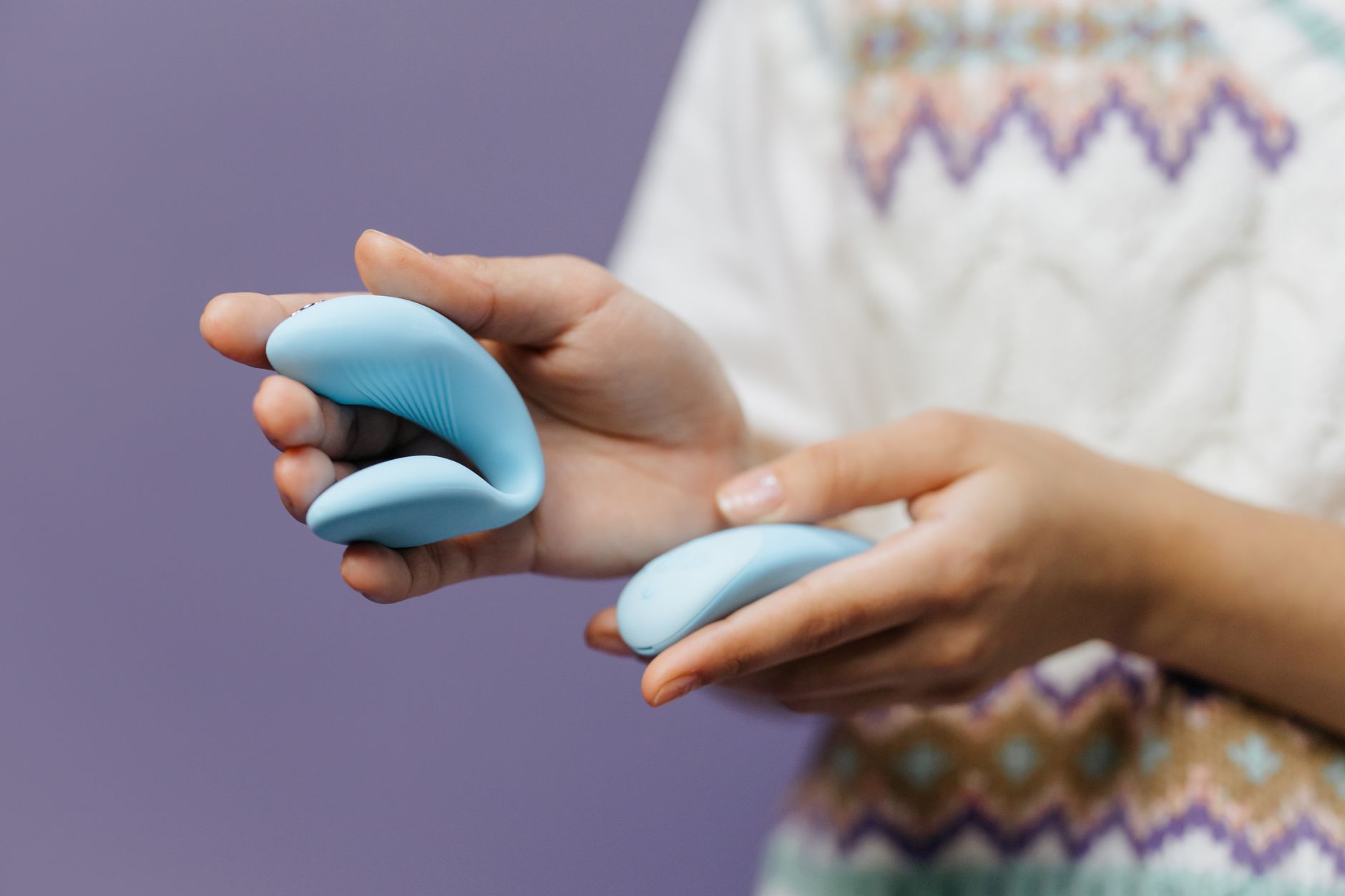
You finish your last session. The therapist says you're cleared. And then you realize something strange: pleasure feels muted. Not gone, but like you're experiencing it through a thick window. Your nervous system spent weeks being retrained to relax muscles that spent years holding tension. That retraining is necessary and good. But it temporarily disrupts the sensory feedback loop that feeds arousal.
This isn't failure. It's a predictable phase of recovery that lasts anywhere from two to eight weeks. And there's a specific way to move through it using clitoral vibrators like the Lem that actually accelerates your return to full sensation.
During physical therapy, your pelvic floor muscles are being systematically relaxed and rebuilt. This is good work. But your pelvic floor isn't just involved in pleasure. It's involved in the entire chain of arousal signals that travel from your brain to your genitals and back again. When a therapist is actively retraining those muscles, you're essentially asking your nervous system to hold two contradictory instructions: relax these muscles (therapy) while also letting arousal fire through them (sex).
The result is a temporary desensitization. It's not physical numbness exactly. It's more like your brain temporarily downregulates the pleasure signals coming from that region because it's busy learning something new. Think of it like trying to focus on two conversations at once. You can hear both, but neither lands fully.
Most people experience this as reduced clitoral sensation, difficulty reaching orgasm, or orgasms that feel weaker than before. Some describe it as feeling disconnected from their body during sex. This usually peaks around week two or three of finishing therapy and then starts improving on its own. But you don't have to wait passively.
A lemon clitoral vibrator like the Lem uses air-pulse suction instead of traditional vibration. This matters enormously during post-PT recovery because suction doesn't rely on the same muscular feedback loop that traditional vibrators do.
Here's the distinction: traditional vibrators require your pelvic floor muscles to be responsive and coordinated. They work by creating intensity through repetitive friction, which your muscles then engage with. During pelvic floor recovery, engaging those muscles can feel jarring or can accidentally activate old tension patterns.
Suction-based vibrators work through a different neural pathway. They stimulate the clitoral nerve endings directly without requiring muscular participation. This means you get pleasurable sensation feedback without asking your freshly retrained pelvic floor to do anything complicated. It's sensory input without demand. Your nervous system can receive pleasure signals without confusion about what it's supposed to be doing.
This is why many people report that lemon vibrators feel different, often better, during recovery phases. You're not imagining it.
I recommend a specific sequence to my clients who are moving through post-PT recovery. This works best if you start about one week after finishing your last therapy session, once immediate soreness has passed.
Week one of recovery play: Start with external clitoral stimulation only, using a lemon vibrator on its lowest settings (level 1 or 2). Spend five to ten minutes. Don't aim for orgasm. The goal is simply to reestablish sensory feedback. You're telling your nervous system: okay, the pelvic floor work is done, we can start receiving pleasure signals again.
Week two: Increase to mid-range settings (level 3 or 4) and extend time to ten to fifteen minutes. Your sensation should start returning noticeably by this point. If you experience any sharp pain (not pressure, but pain), stop immediately and check in with your PT.
Week three and beyond: Once you feel sensation normalizing, you can gradually progress to higher settings and explore with penetration if that's part of your practice. But don't rush this. Many people find they're satisfied staying with external clitoral stimulation indefinitely, and that's completely fine.
The key across all weeks: lube always, lower initial intensity, and patience with your nervous system's rebuilding process.
Your nervous system learns through repetition and positive feedback. When you use a lemon vibrator during recovery, you're providing your brain with consistent, pleasurable sensory input in the exact region that's being retrained. This helps solidify the neural pathways associated with pleasure without creating confusion about what muscles should be doing.
It's similar to physical therapy itself: repetition plus safety signals equals nervous system recalibration. You're basically doing pleasure-based nervous system training, and it works. Studies on desensitization recovery in other contexts show that gentle, consistent positive stimulation in the affected region significantly accelerates rebound compared to avoidance.
Moreover, this approach helps prevent the secondary issue that sometimes happens during pelvic floor recovery: anticipatory anxiety. If you spend weeks unable to feel much pleasure, your brain can start associating that region with disappointment or frustration. Using a tool that reliably provides sensation helps prevent that association from forming in the first place.
Can vibration interfere with the PT work? No, not if you wait at least a week after your last session and start gently. Your pelvic floor is stable enough to handle this by then.
What if I experience pain? Stop immediately. Pain is different from the odd sensitivity or pressure you might feel. Sharp pain means something isn't healed yet. Mention it to your PT at your follow-up.
Is it normal if sensation takes longer to return? Everyone's timeline is different. Some people feel normal within two weeks, others take six to eight. Both are normal. If you're past eight weeks and sensation still feels significantly reduced, loop in your therapist. There's usually a simple fix.
Can I use lemon vibrators with a partner during recovery? Absolutely. The same principles apply. Start gentle, communicate about sensations, and prioritize pleasure over performance.
The Lem is designed specifically for this kind of precision. Its suction pattern is gentle enough for early recovery but satisfying enough that you're not stuck with a toy you'll outgrow. Many of my clients keep using it after recovery is complete because they simply prefer how it feels.
If sensation hasn't returned noticeably after three weeks, or if you're experiencing sharp pain, or if your pelvic floor tension seems to be returning, reach out to your physical therapist. These are usually easy fixes. Maybe you need a slightly longer recovery window, or maybe there's a small tension pattern that needs one more session to fully resolve.
The goal is always the same: helping your nervous system complete its retraining so you can return to full, confident pleasure. How to use a lemon vibrator safely when you have thin vaginal tissue covers another sensitivity situation that sometimes overlaps with pelvic floor recovery. Worth reading if tissue sensitivity is part of your picture too.
Your pelvic floor did hard work in therapy. Now give it the chance to remember how to feel good. That's not indulgence. That's part of recovery.
Wait at least one week after your final session. Your tissues need time to settle and your nervous system needs time to stop actively retraining. Most PTs will give you clearance to resume sexual activity around this time. Start with external stimulation only and low intensity.
For post-PT recovery specifically, yes. Suction-based vibrators like the Lem don't require your pelvic floor muscles to actively engage the way traditional vibrators do. This reduces confusion for your nervous system during the retraining phase. You get pleasure signals without muscular demand.
If you use very high intensity immediately, you could accidentally reactivate tension patterns. That's why the gentle progression matters. Start low, go slow, and listen to your body. If something feels sharp or wrong, stop. Mild sensitivity is normal; sharp pain is not.
Your nervous system is recalibrating. The muscles you've been retraining are central to the arousal feedback loop. During therapy, your brain temporarily downregulates pleasure signals in that region while it's learning new patterns. This is temporary and resolves as your nervous system integrates the changes.
No. In fact, gentle pleasure-based stimulation helps your nervous system complete the retraining faster. Avoid intense, goal-oriented sex for the first few weeks. Focus on sensation and rebuild gradually.
Great. Start with external stimulation, communicate about what feels good, and prioritize patience over performance. Let them know the timeline. Many couples find this phase actually deepens intimacy because it requires more attentiveness and intentionality.
Your pelvic floor did important work in therapy. Now it's time to rebuild your relationship with pleasure. The Lem is built for exactly this kind of gradual, sensory recovery. You deserve to feel fully alive again.