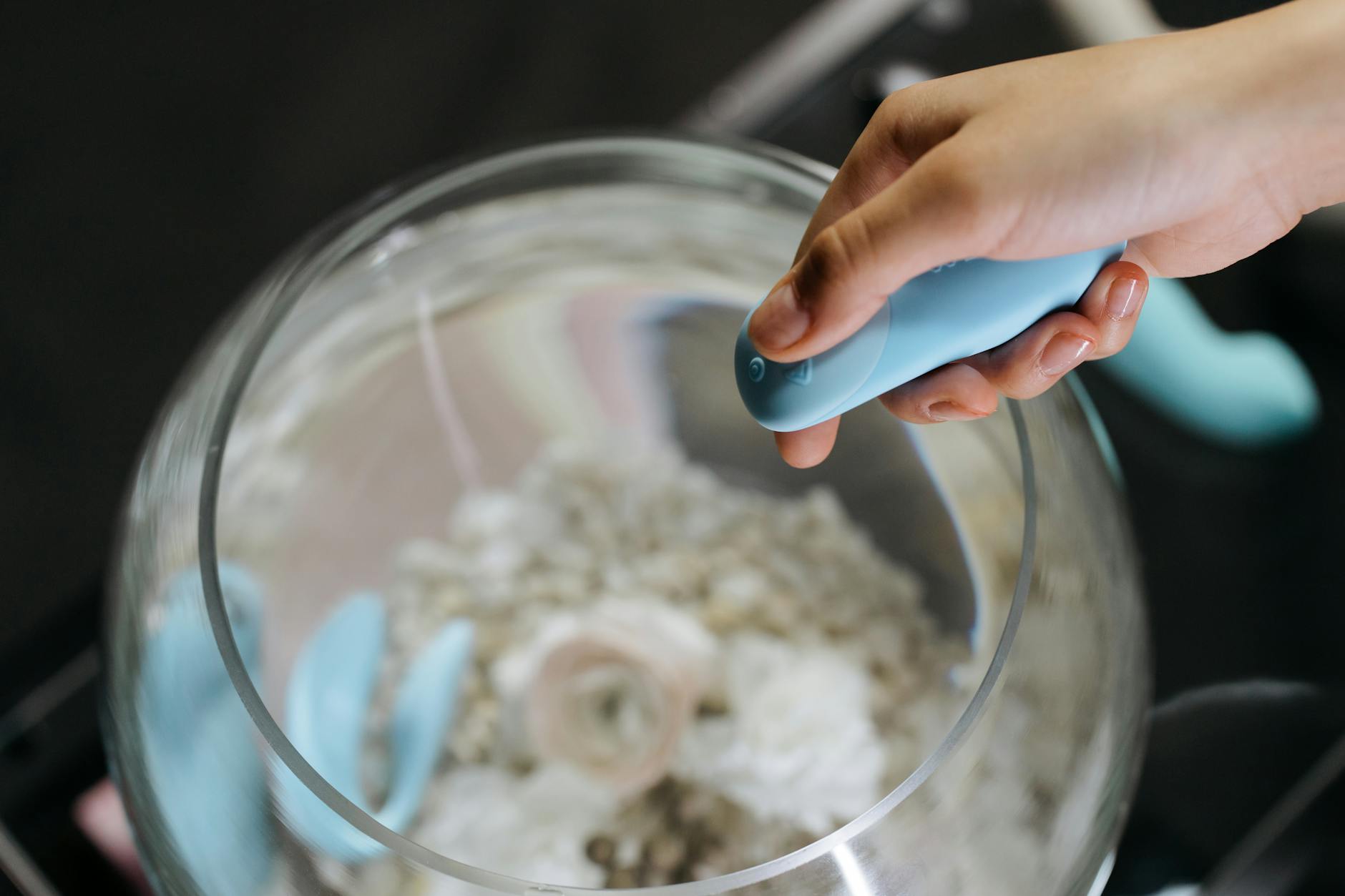
Here's the thing: sensitivity is one of the most common reasons people avoid pleasure devices altogether. You're worried about irritation, burning, swelling, or making an existing skin condition worse. That fear is legitimate. But it's also solvable.
Lemon clitoral vibrators, also called lem vibrators or lemon suckers, are actually some of the gentlest options out there for reactive skin. The suction mechanism doesn't rely on aggressive friction the way traditional vibrators do. But gentleness alone isn't enough. You need a plan.
Let me walk you through what sensitive skin actually needs from a lemon vibrator, how to test for reactions safely, and which settings and habits will let you enjoy yourself without paying for it with irritation later.
The vulva and clitoris have thinner, more permeable skin than anywhere else on your body. The barrier function is weaker. That's not a flaw. It's why sensation is so rich there. But it also means the area reacts faster to friction, temperature, chemical irritants, and physical pressure.
If you have a history of yeast infections, dermatitis, eczema, or contact dermatitis, your barrier is already compromised. Add a new product or an aggressive technique, and flare-ups happen. Some people find that menstrual cycles make skin more reactive too. A week before your period, the same activity that felt fine last week might cause burning.
The good news is that this hyperresponsiveness is manageable. You're not broken. You just need a more intentional setup.
Most traditional vibrators work through rapid oscillation. The toy vibrates against tissue thousands of times per minute. For sensitive skin, that's a lot of tiny repetitive friction events. Even with lubricant, after 10 or 15 minutes, irritation builds.
A lemon clitoral vibrator works differently. Instead of vibration, it uses gentle suction and pulsing. The lem vibrator mechanism pulls the clitoral tissue into a soft chamber where it experiences rhythmic stimulation without direct friction. There's less rubbing. Less heat generation. Less mechanical stress on already-reactive skin.
Mean that a lemon sexual toy is automatically safe for you? No. But the design itself is inherently gentler. Fewer sensation-seekers with sensitive skin report problems with suction devices than with traditional vibrators. That's not anecdotal. Dermatologists and sex educators have noticed this pattern enough that it's become a standard recommendation for people with vulvovaginal dermatitis or lichen sclerosus.
Even if the toy is gentle, the material and any residual manufacturing oils or dust need a test run. Here's a safe protocol.
First, wash the lemon adult toy thoroughly under warm water with fragrance-free soap. Let it dry completely. Then choose a small, non-genital patch of sensitive skin. The inner arm or behind the ear works. Press the cleaned toy against that spot for 30 seconds. Wait 24 hours. If you see redness, swelling, itching, or a rash, the toy material itself might be problematic for your skin. Contact Hello Nancy support or try a different device.
If the patch test passes, you're ready for the next step. Apply your normal, well-tolerated lubricant to the toy. Use just a small amount. Press the toy against the sensitive patch again, this time for 2 minutes. This mimics what contact during actual use would feel like. Wait 24 hours again.
No reaction? Great. Now you can try it internally, but with a major caveat. Start on the lowest setting. Two minutes. Low humidity, clean hands, zero pressure beyond what the toy naturally applies.
Not all lemon vibrators are made from the same silicone. Some silicones are softer and more hypoallergenic. Others are stiffer or contain fillers that some people react to. If you've had dermatitis issues before, buy from a brand that publishes material sourcing and manufacturing standards. Hello Nancy toys are made from medical-grade silicone, which is significantly less likely to trigger reactions than cheaper alternatives.
Avoid toys with coloring agents, glitter, or textured surfaces if your skin is reactive. Those additives and surface irregularities are common irritation triggers. A smooth, single-color lemon sucker is your friend here.
If you notice any redness or irritation after use, rinse immediately with cool water. Do not use soap. Pat dry gently and apply a fragrance-free, dermatologist-approved moisturizer like plain glycerin or a barrier-repair product recommended by your GP.
Lubricant is non-negotiable when you have sensitive skin. Full stop. It reduces friction dramatically. But not all lubricants are equal.
Water-based lubricants are the safest bet. They're the least likely to cause allergic contact dermatitis. Silicone-based lubes feel better and last longer, but they can irritate sensitive skin and will damage a silicone toy over time. Avoid oil-based lubricants entirely. They disrupt your natural pH and bacterial balance, making yeast infections more likely.
If you're prone to yeast infections specifically, skip lubricants with added sugars or glycerin. Those feed yeast. Look for a plain water-based lube without dyes, parabens, or fragrance. Hypoallergenic brands marketed for sensitive skin are worth the extra cost.
Do a patch test with your chosen lubricant before combining it with the toy. Yes, another 24-hour wait. It matters.
Start short. Five minutes on the lowest setting. That's it. Your goal isn't to reach orgasm the first time. Your goal is to see if your skin tolerates the toy at all.
If you feel burning, stinging, or a sensation of rawness, stop immediately. Rinse. Wait. Don't use it again for at least three days. If the irritation resolves in 24 hours, you can try again with even lighter pressure or a shorter duration. If it persists or worsens, that device may not be right for your skin.
Once you've confirmed tolerance at low settings, you can gradually increase duration and try higher patterns. But honestly? Most people with sensitive skin find that they prefer lower settings permanently. Lower patterns create less heat, less swelling, and less friction. Orgasms from a lower-intensity lemon vibrator feel different, but not worse. They're often more sustained and less followed by irritation.
If you experience any of these during or after using a lemon sexual toy, pause and give your skin a break:
Burning or stinging that doesn't stop within 10 minutes of rinsing. Swelling or puffiness that lasts more than two hours. A rash or hives. Increased discharge that smells off or looks unusual. Itching that continues for hours after use.
These aren't failures. They're information. Your skin is telling you to adjust something. Maybe the duration is too long. Maybe the pattern is too intense. Maybe you need a different lubricant or to use the toy less frequently. Or maybe that particular toy isn't right for your skin chemistry, and that's okay too.
Contact a gynaecologist if irritation persists beyond a day or two, or if you develop signs of infection like unusual discharge, fever, or pain with urination. Those are separate issues that need professional care.
This is counterintuitive but real. If you use a lemon vibrator regularly (say, twice a week), your tissue adapts and stays more robust. Sporadic use after long gaps can feel more irritating because the tissue hasn't been primed.
That said, if you have active dermatitis or an infection, skip use entirely until it clears. Consistency only helps if your baseline skin is stable.
With reactive skin, rest days matter. Using a lemon clitoral vibrator daily isn't the move. Try 2-3 times a week with at least one full day between uses. This gives your tissue time to recover its barrier function.
Some people with sensitive skin find that using the toy at the same time each week (say, Saturday mornings) works better than random timing. Your body's inflammatory response has a rhythm. Working with your cycle, if you have one, can reduce irritation too.
If you've tried the patch test protocol, used appropriate lubricant, kept sessions short and infrequent, and still get irritation, see your GP or a dermatologist. You might have undiagnosed vulvovaginal dermatitis, lichen sclerosus, or contact dermatitis that needs treatment before pleasure devices will work well for you.
A healthcare provider might recommend topical treatments that actually improve your tissue health and tolerance. Once your baseline skin is better, using a lemon vibrator becomes genuinely enjoyable again.
Sensitive skin doesn't mean pleasure devices are off-limits. It means you need a smarter approach. A lemon clitoral vibrator is one of the gentlest options available because the mechanism itself avoids aggressive friction. Patch test carefully, use a simple water-based lubricant, keep initial sessions short, and pay attention to how your skin responds.
Your pleasure matters, and your skin deserves respect. Both things are true at the same time.
Only with caution and ideally under guidance from your GP. Active dermatitis is an open wound situation, basically. Using any vibrator can irritate it further. Get your dermatitis under control first with topical treatments. Once your skin is stable for at least a week, try the patch test protocol. You may find that gentle use actually feels okay, but wait until you're symptom-free to test it.
Yes, almost certainly. The warmth, friction, and moisture from a lemon vibrator create an ideal environment for yeast overgrowth. Skip the toy entirely during an active infection. Once you've completed treatment and symptoms are gone for at least 48 hours, you can start testing again. Just be extra cautious with lubricant choice. Plain water-based, no glycerin.
No. Medical-grade silicone is hypoallergenic for most people, but silicone contact dermatitis does exist, though it's rare. If you've had reactions to silicone before (silicone kitchen utensils, medical implants, etc.), mention that to a dermatologist before using a silicone toy. They might recommend a glass or stainless steel toy instead, though those aren't available as lemon vibrators.
Clean it with fragrance-free soap and warm water after every single use. Do not use harsh cleaners or anti-bacterial products. Those can leave residues that irritate. Dry completely before storing. If you store it in a case, make sure the case is also clean and dry. Moisture plus residue equals irritation the next time you use it.
Your skin is often more reactive in the week before and during your period due to hormonal shifts. If you've struggled with irritation at other times, menstruation might make it worse. Try using the toy only in the less reactive phases of your cycle first (usually the week after your period ends). Once you know that your skin handles it well then, you can cautiously test during menstruation if you want to.
Sensitivity is a broad irritation response. Your skin gets red, burns, or swells, but the reaction improves quickly once you stop. Allergic contact dermatitis is an immune response to a specific substance. It causes intense itching, a rash that spreads, and takes days to resolve. If you get allergic dermatitis, stop using the toy immediately and see a dermatologist. A sensitivity issue, you can usually work around by adjusting technique or duration.
Dermatology and sexual device safety is an emerging field, but key research includes guidance from the American Academy of Dermatology on vulvovaginal dermatitis and contact sensitization. The International Society for the Study of Vulvovaginal Disease publishes standards for medical-grade silicone in intimate devices. For specific questions about your skin, consult with your GP or a dermatologist familiar with vulvovaginal health.
If you're still uncertain about whether a lemon vibrator is right for your skin, reach out to Hello Nancy support or book a consultation through our help center. Your comfort and safety come first.